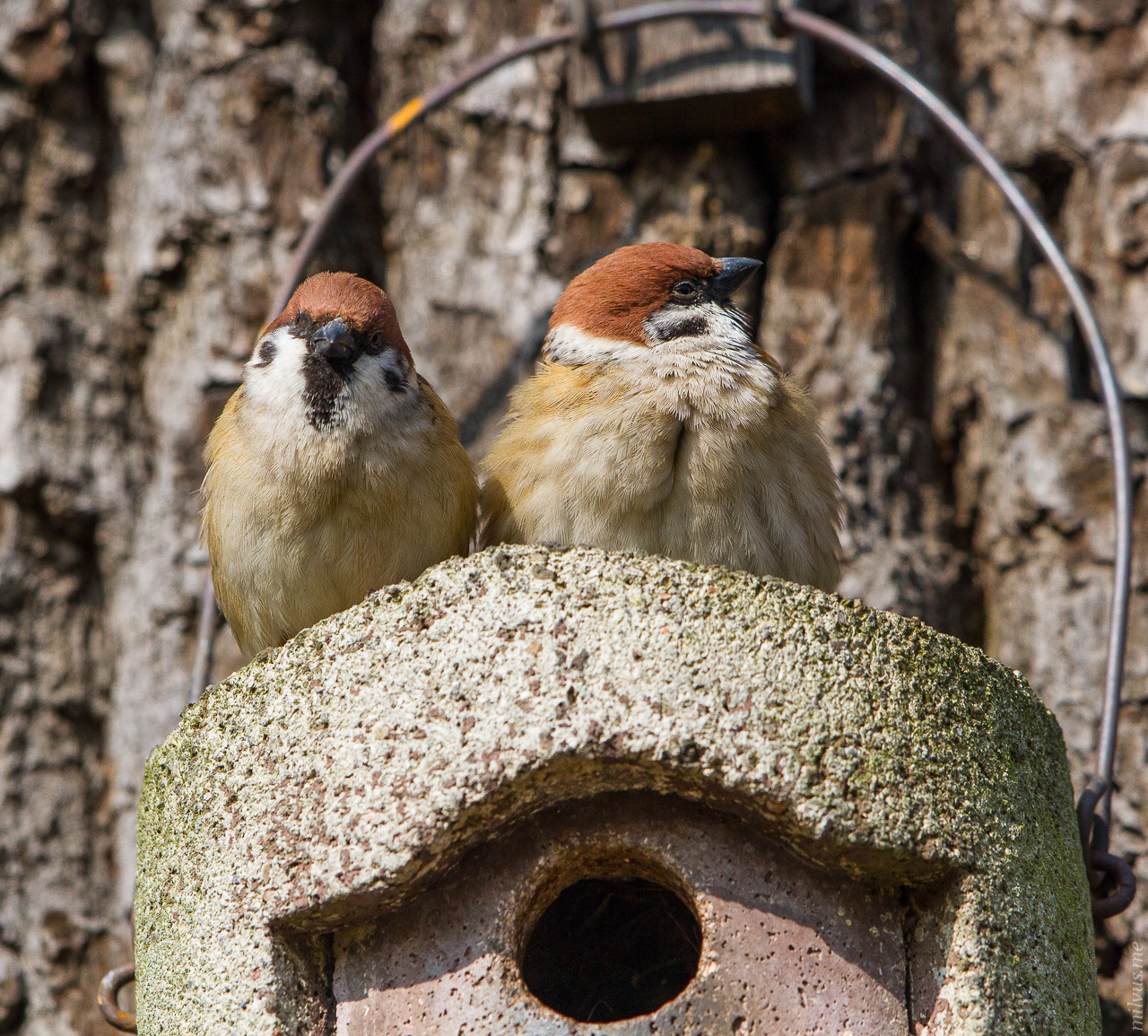
This tree sparrow find a home, and a partner. – Perfect Day for birdy.
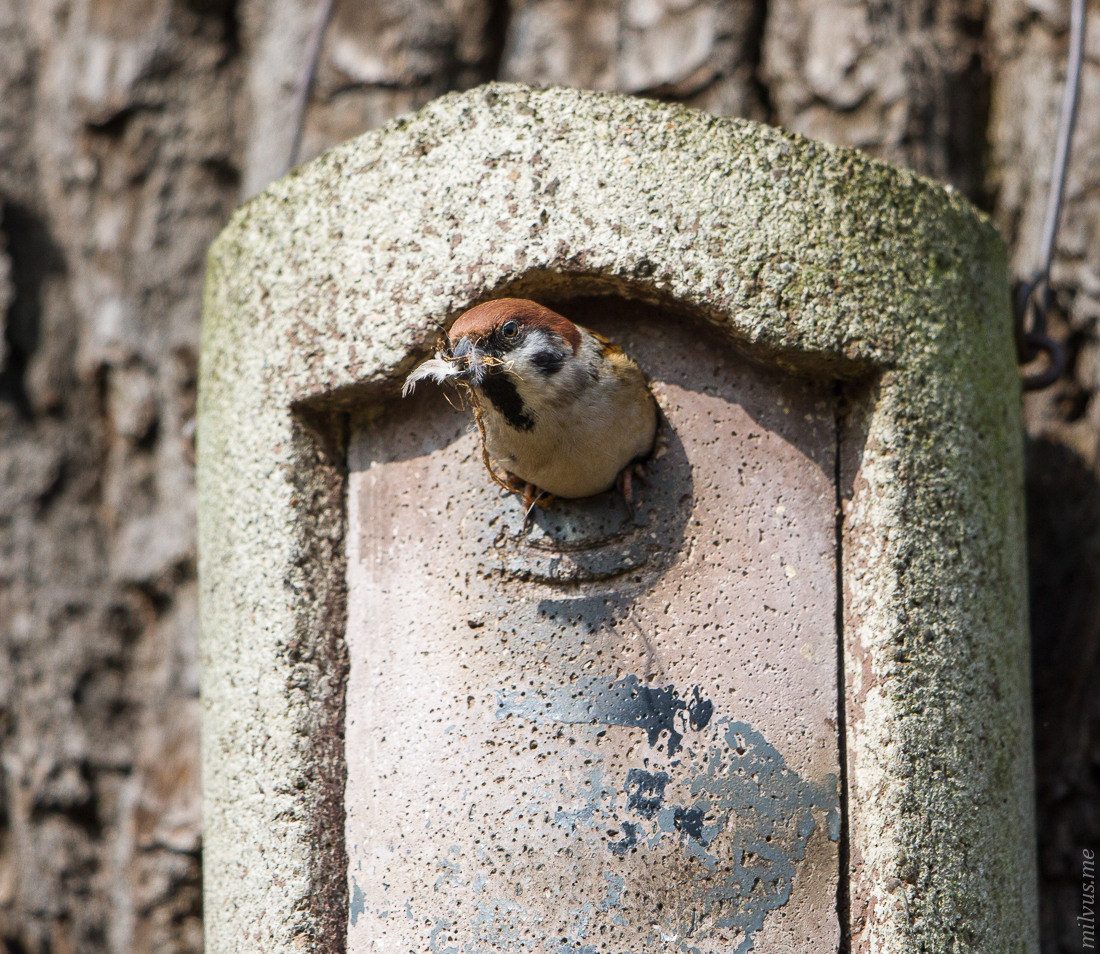
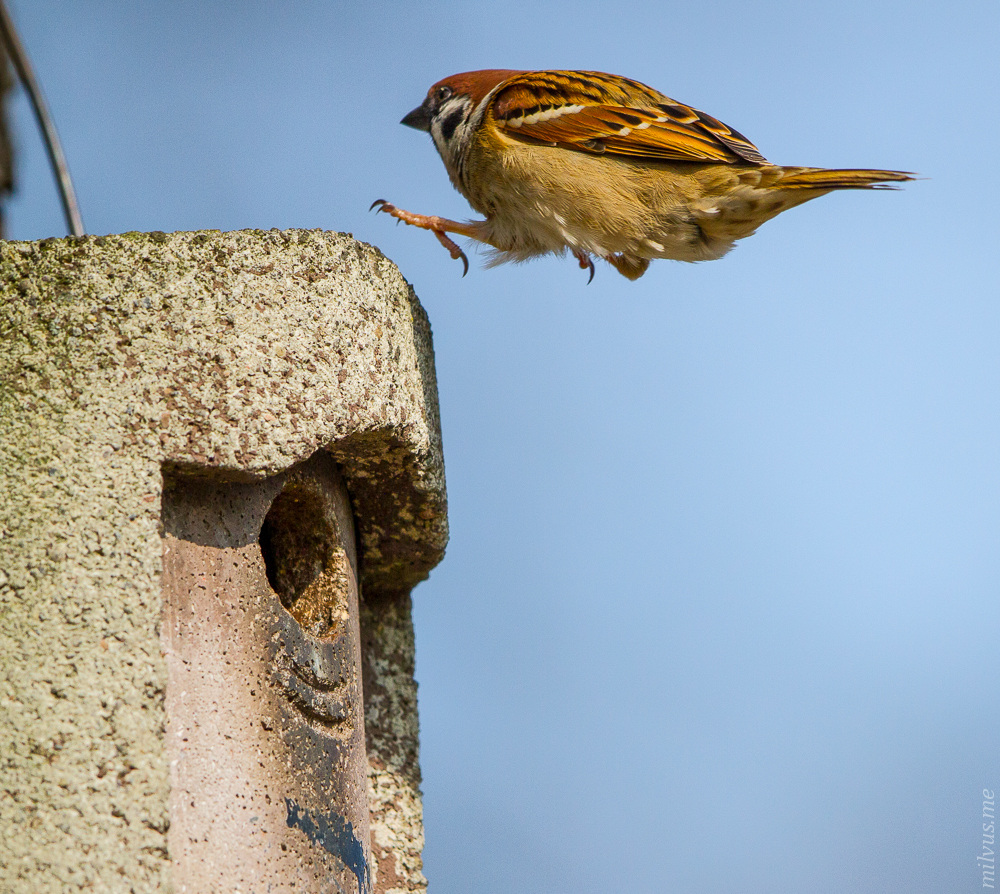
This tree sparrow find a home, and a partner. – Perfect Day for birdy.
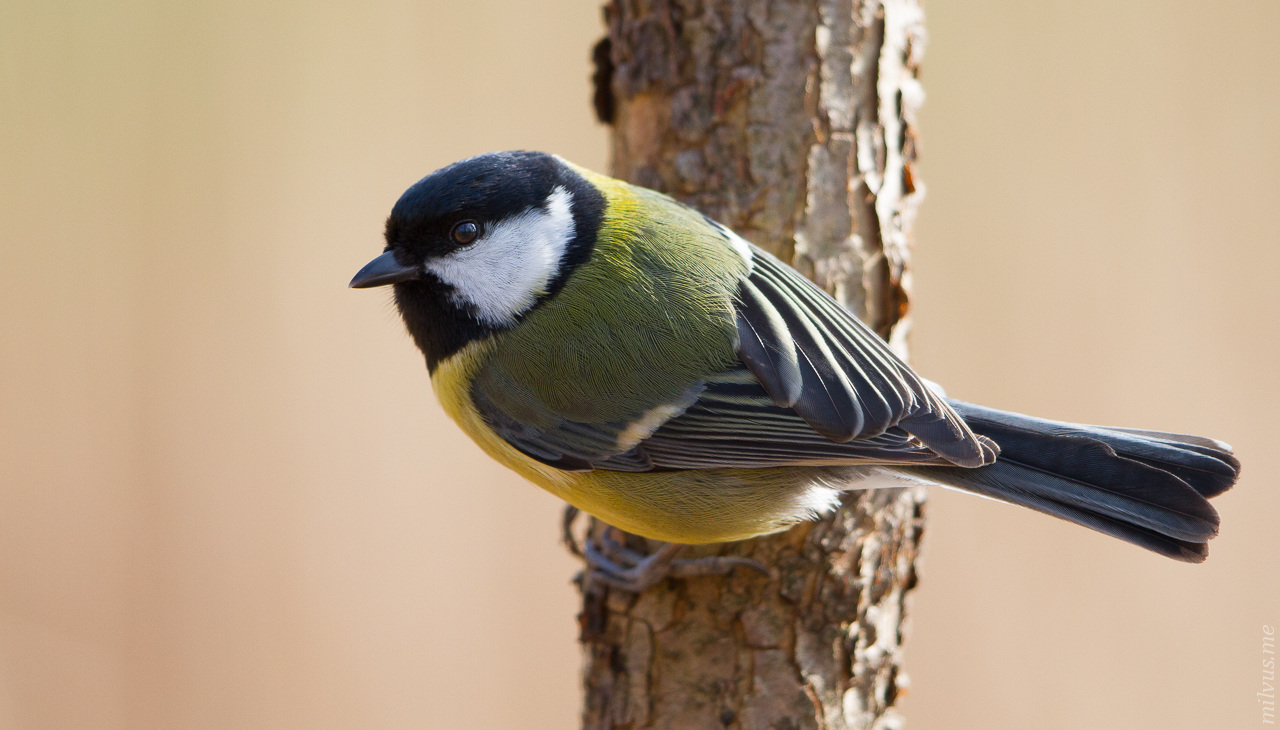
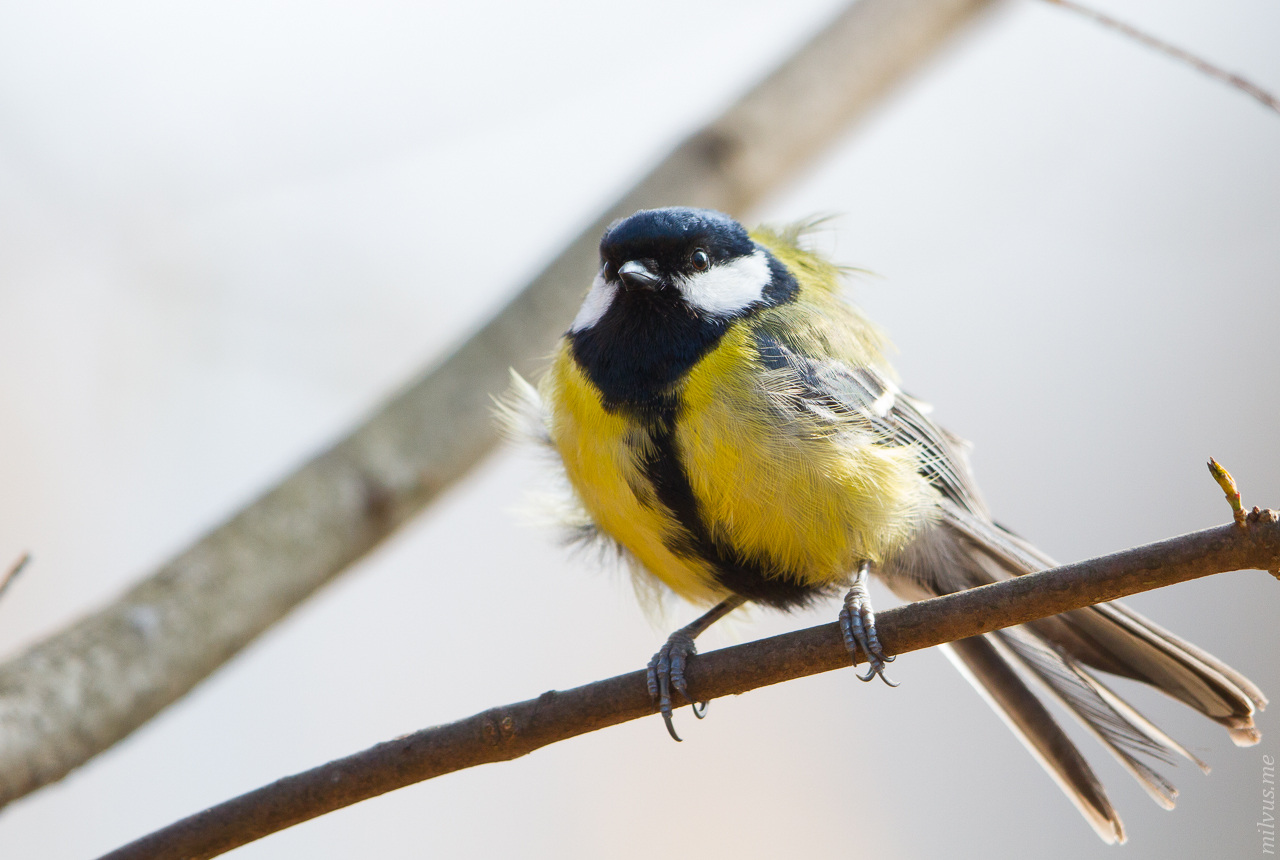
Great tit hanging around. And feeding.
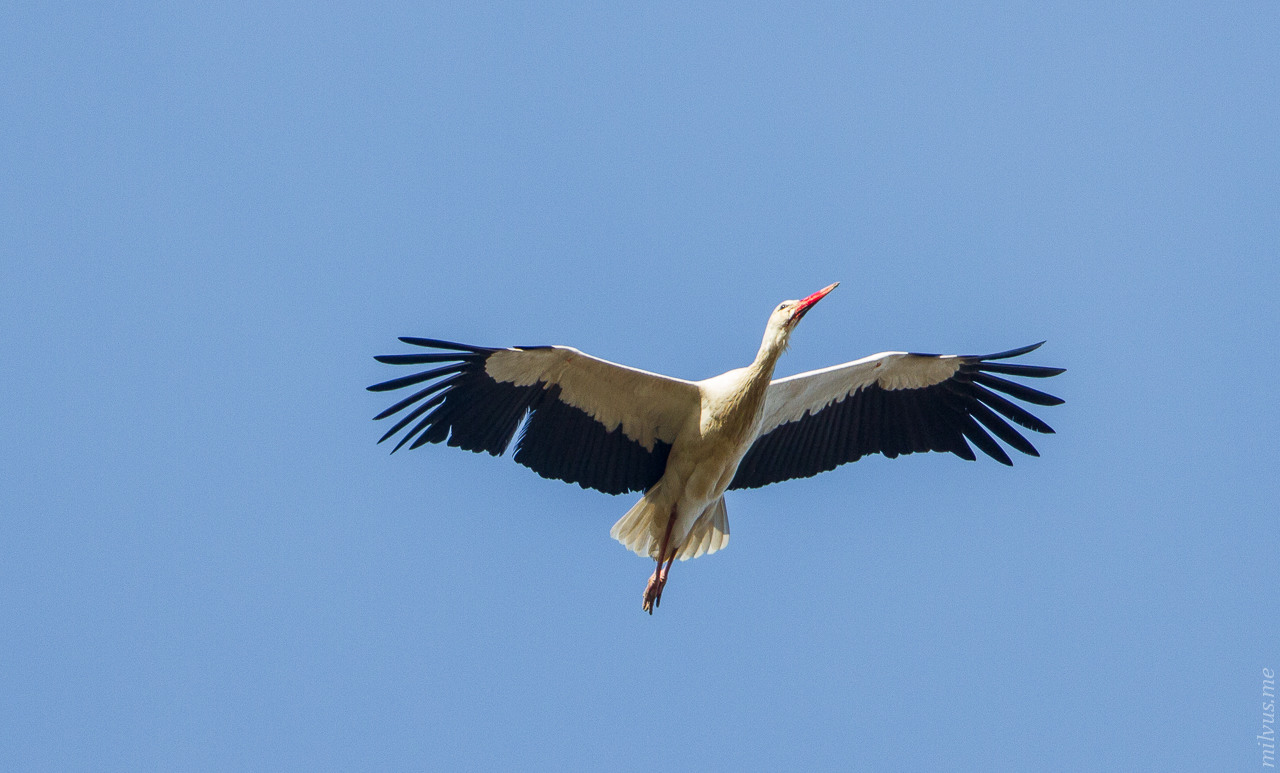
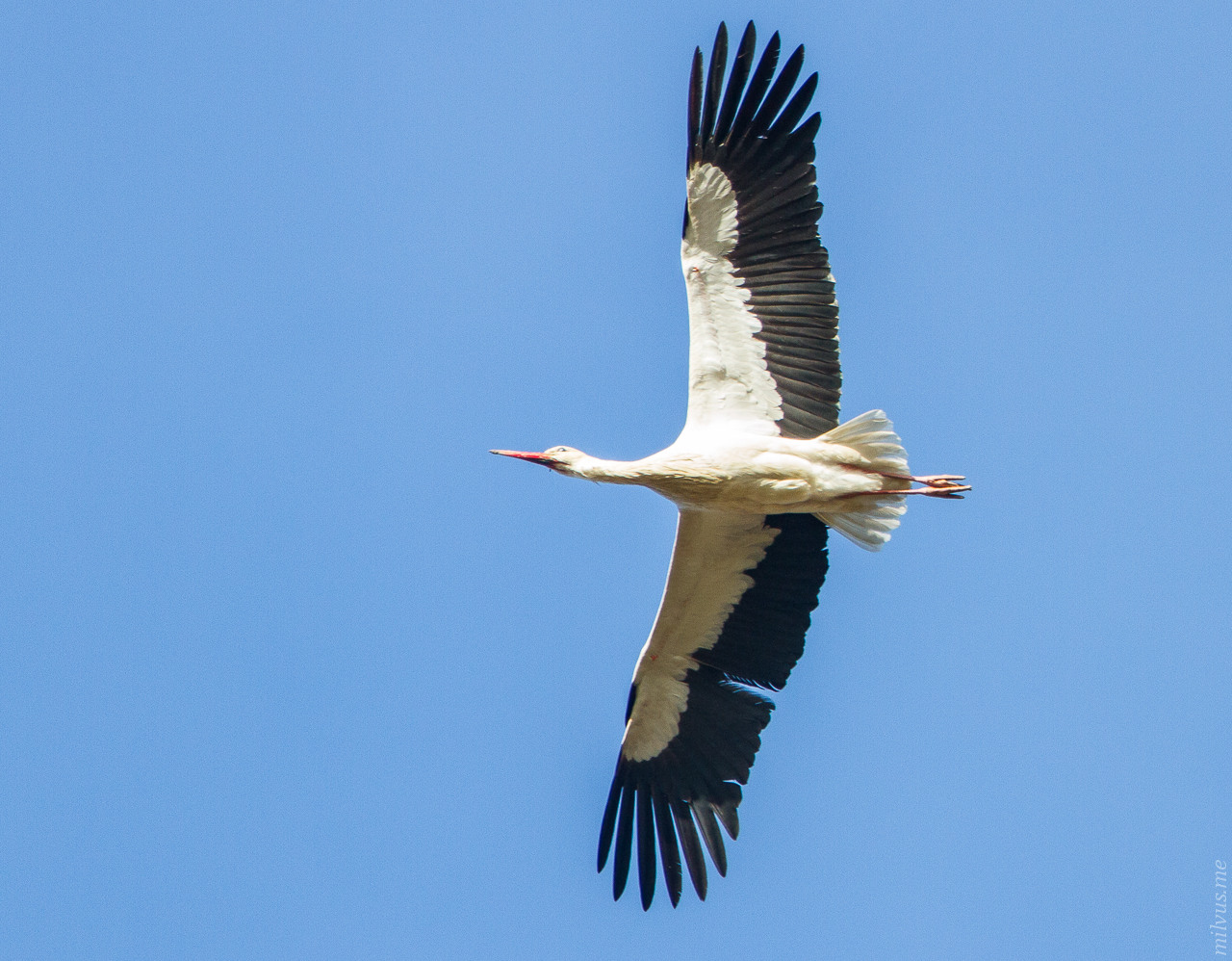
The spring is here! Or is already sommer?. My first white stork in this season so I guess this is a male. The Males arrive first, prepare the nest, and then wait for the females to appear, hoping the made the long travel.
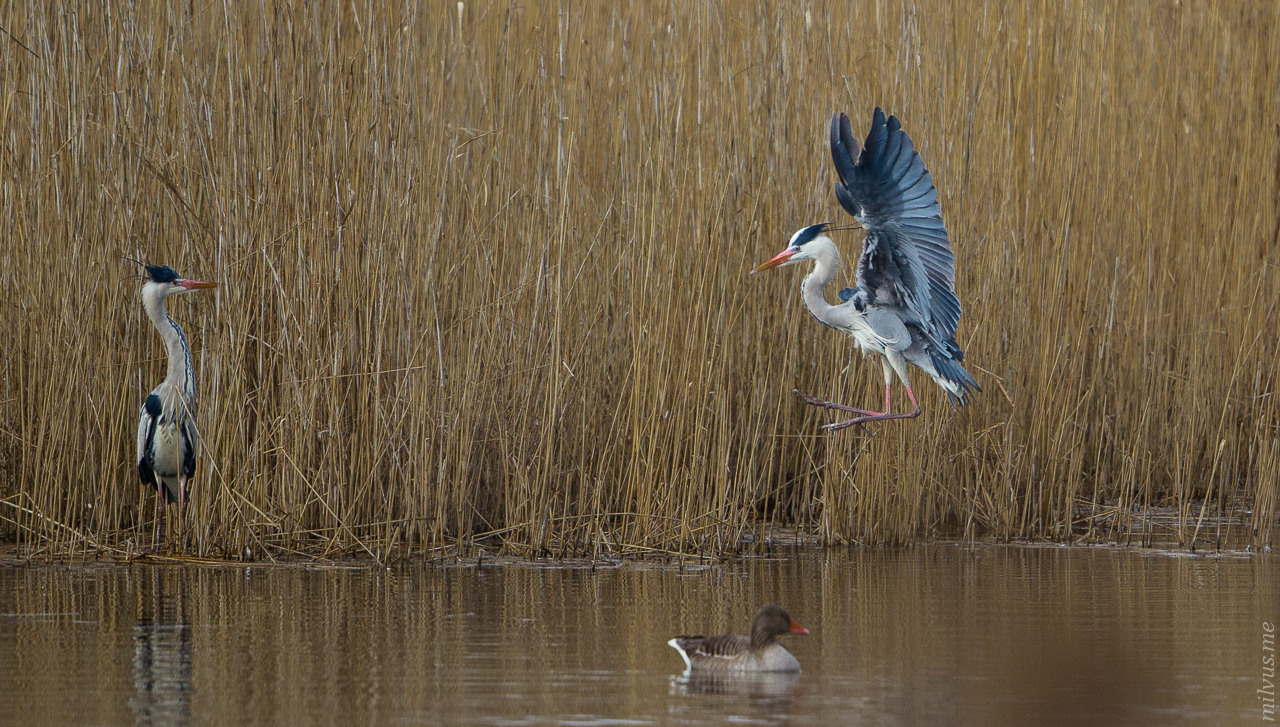
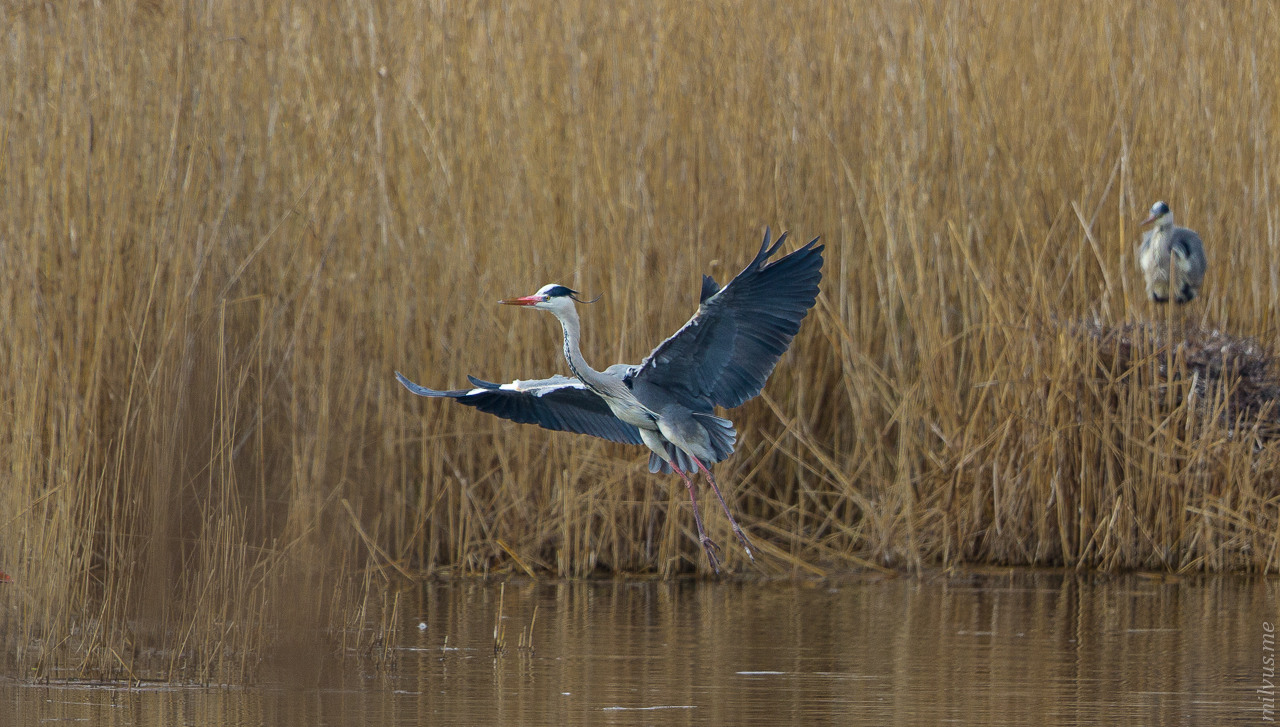
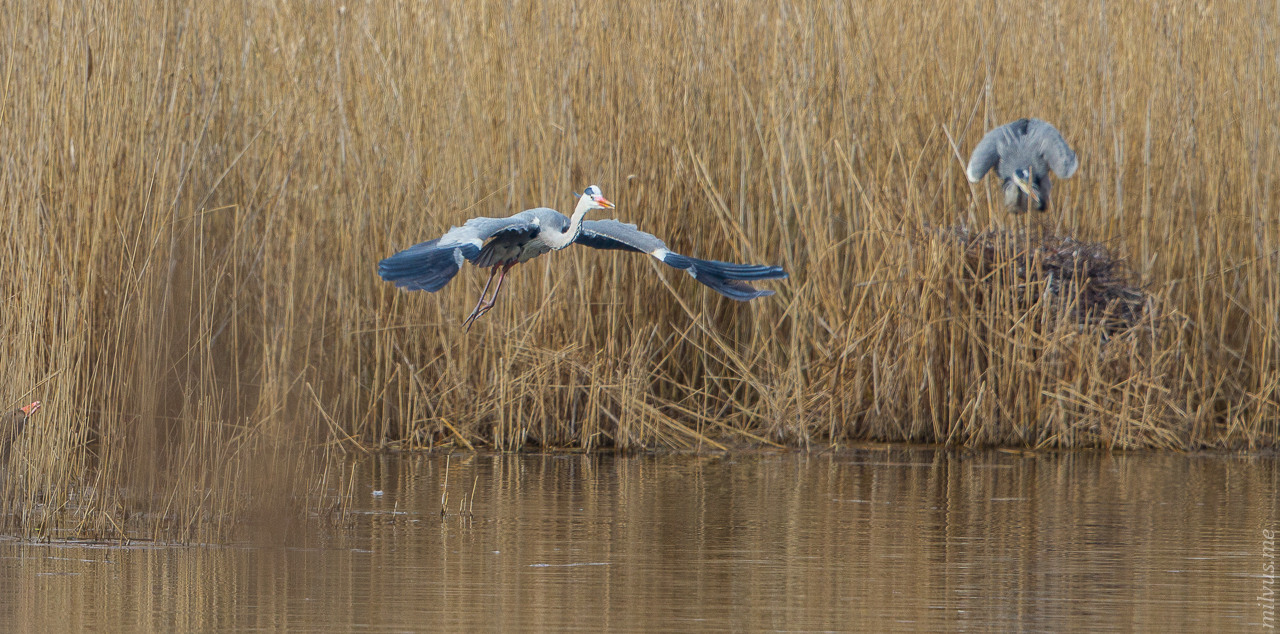
This grey heron appears to have missed his nest. The choosen “partner” dont really seem to approve. Currently there are 8 pairs of herons breeding in the reed of karow.
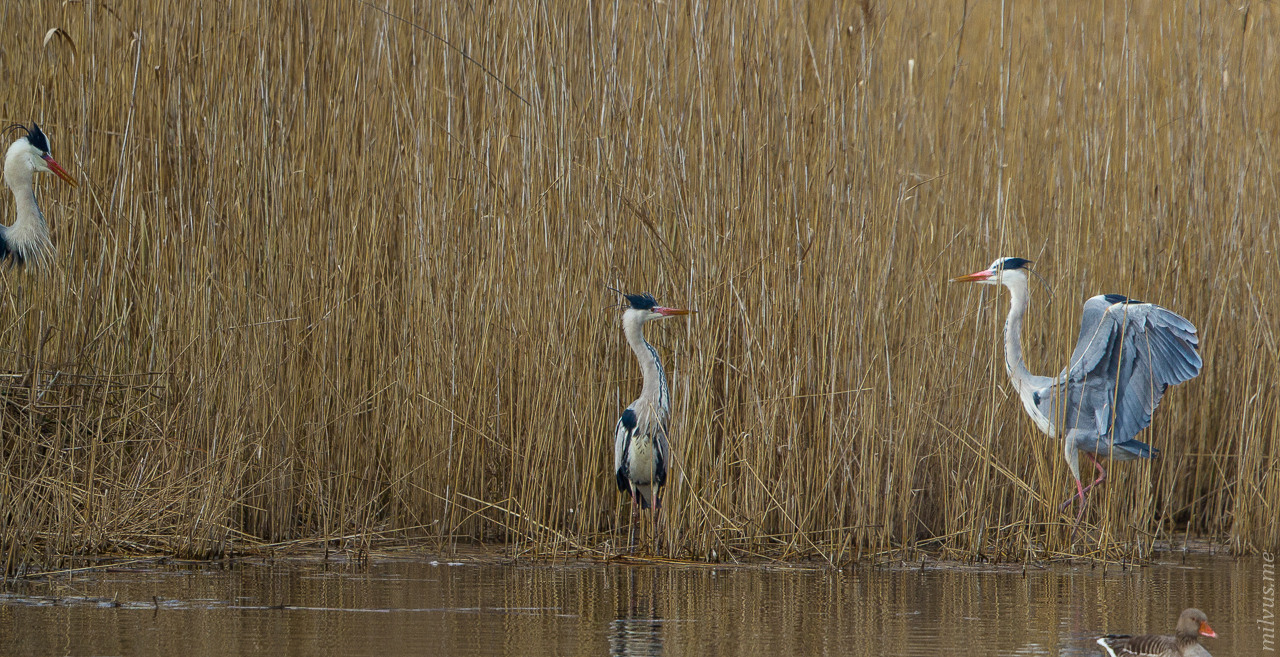
Okay, I better go…
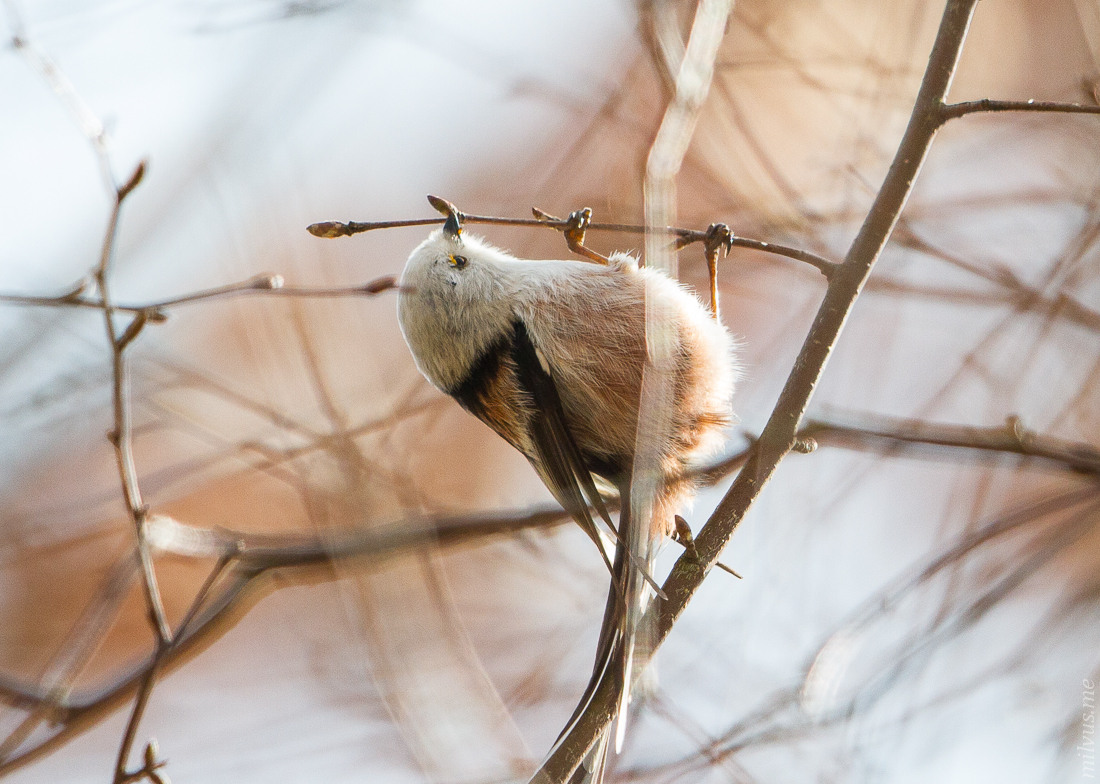
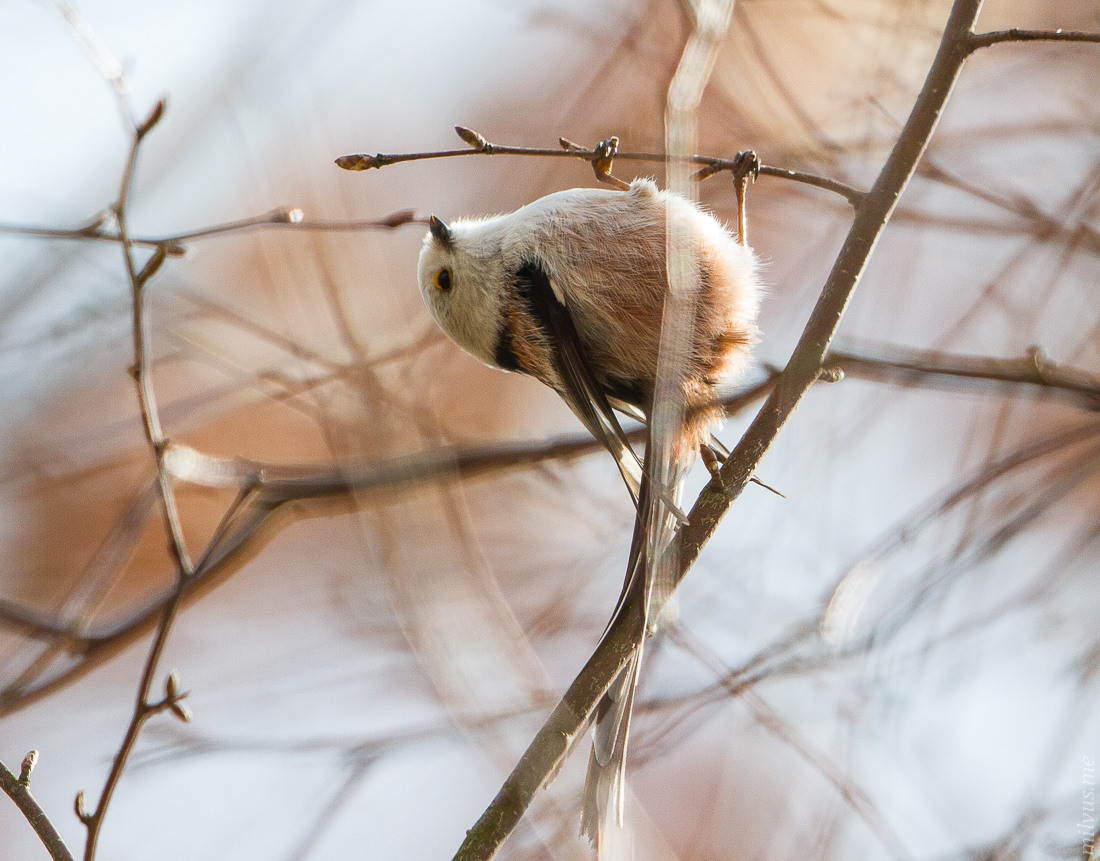
A Long-Tailed Tit (Aegithalos caudatus) does the weirdest wrenches to reach the food.
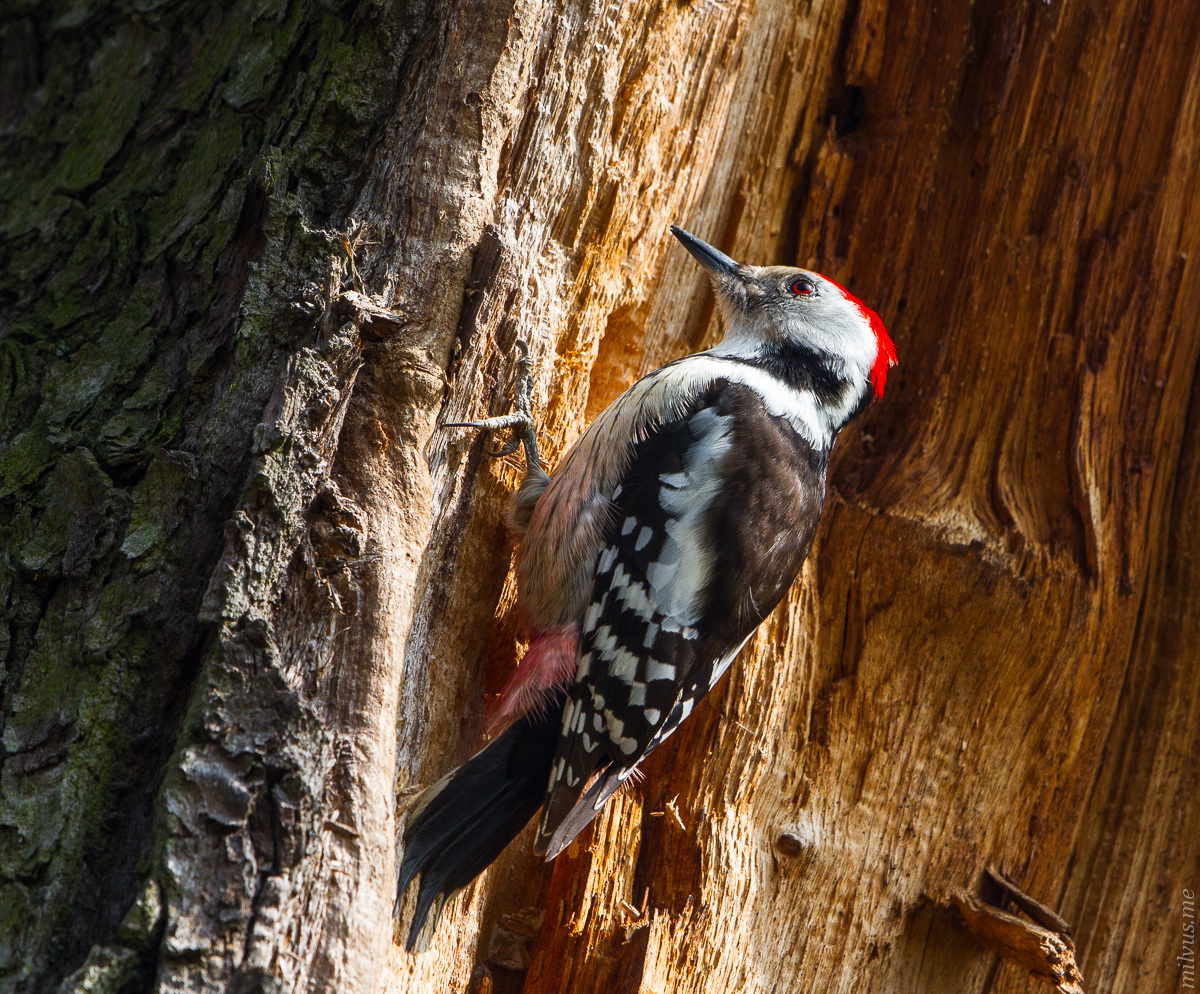
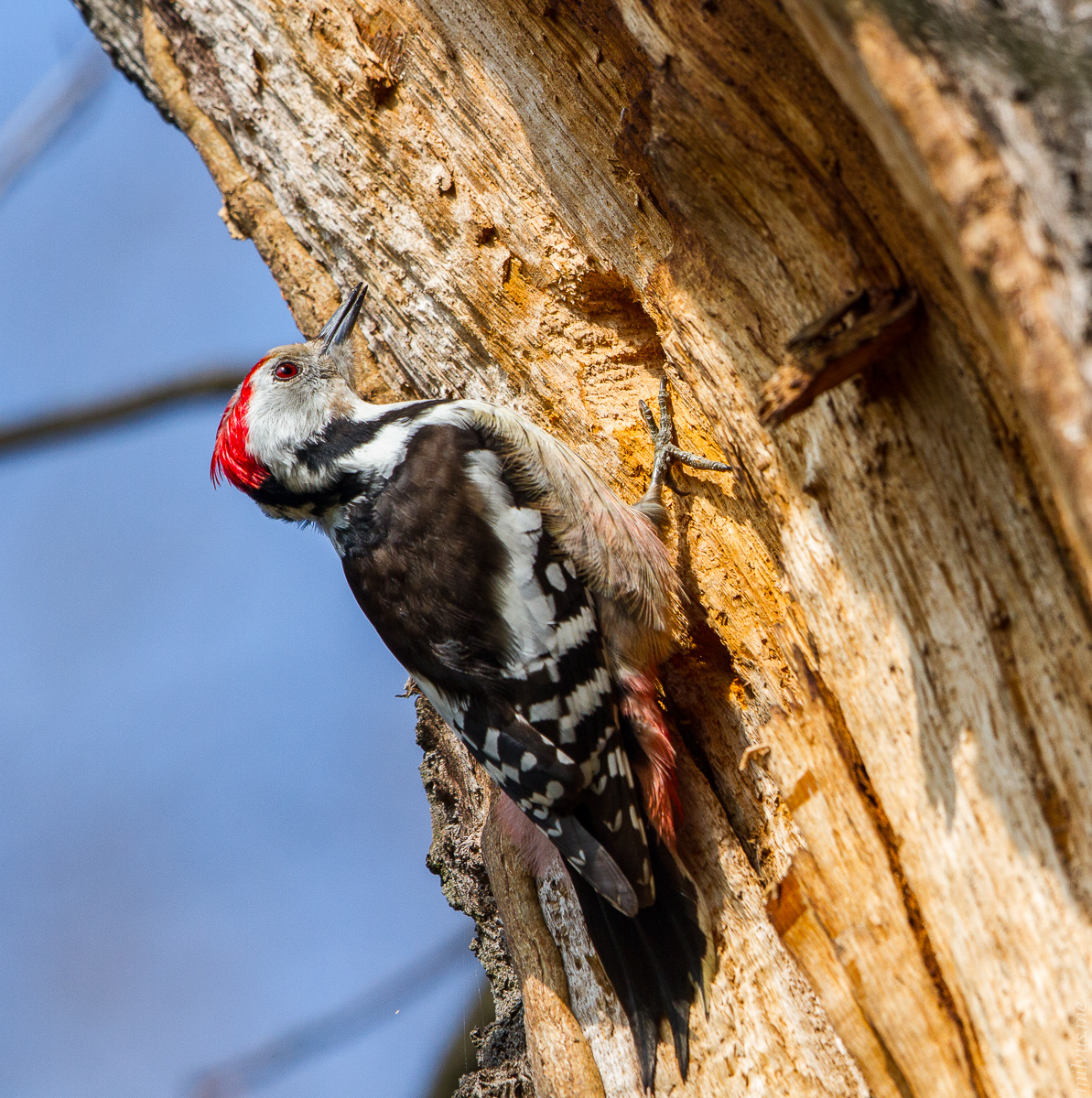
This relatively rare bird is 21cm big and builds the nests itself by hammering a hole into soft wood.
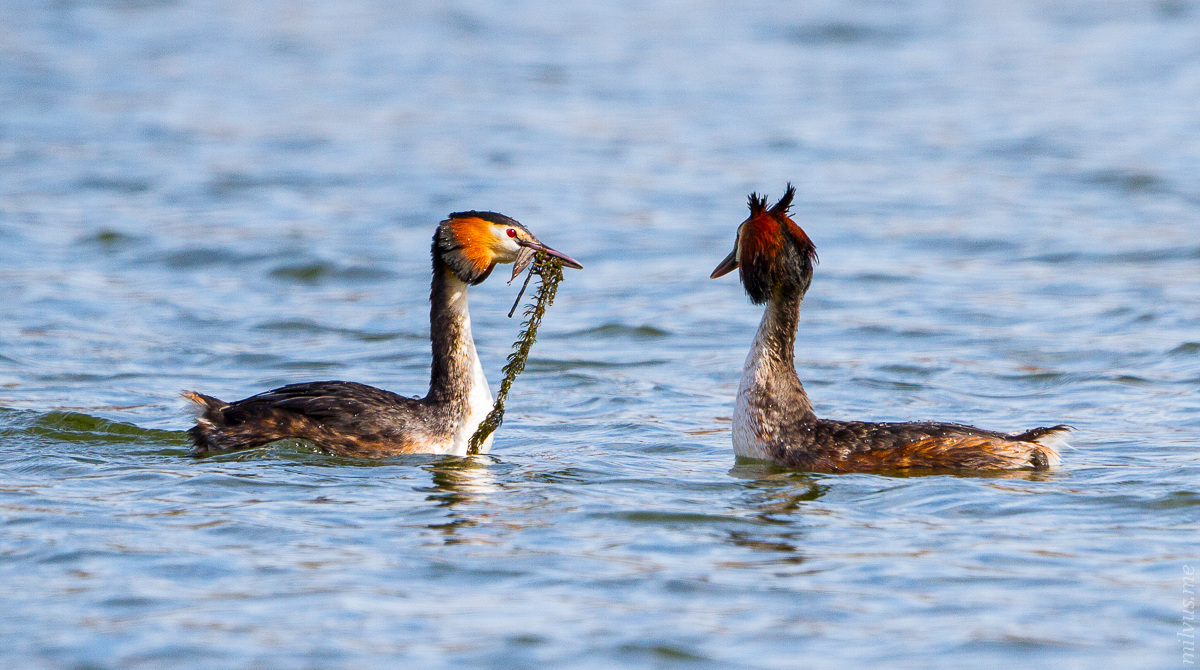
One of -the- species I am associating Courtship display is the great crested grebe. The male is bringing a present, then they imitate each others movements, they “dance”. After a while they start to run over the water, close together. Iam still waiting for a good shot of this last impressive step.
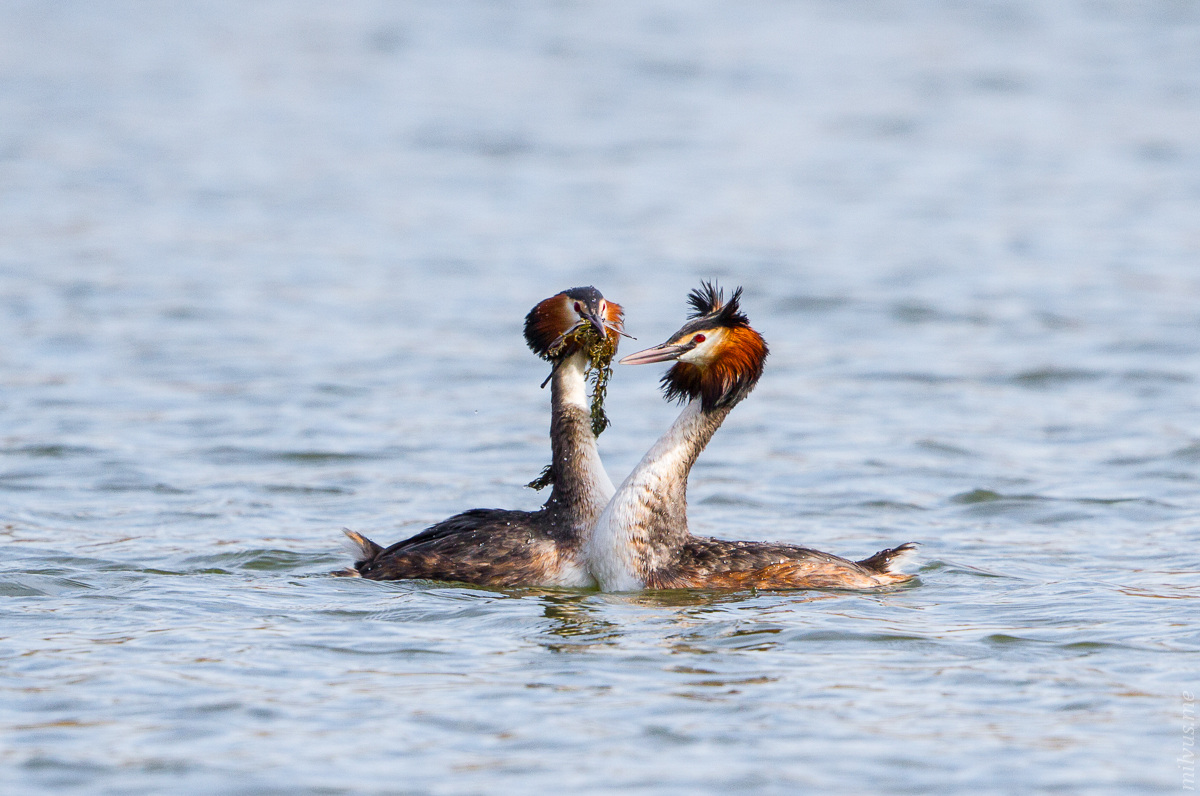
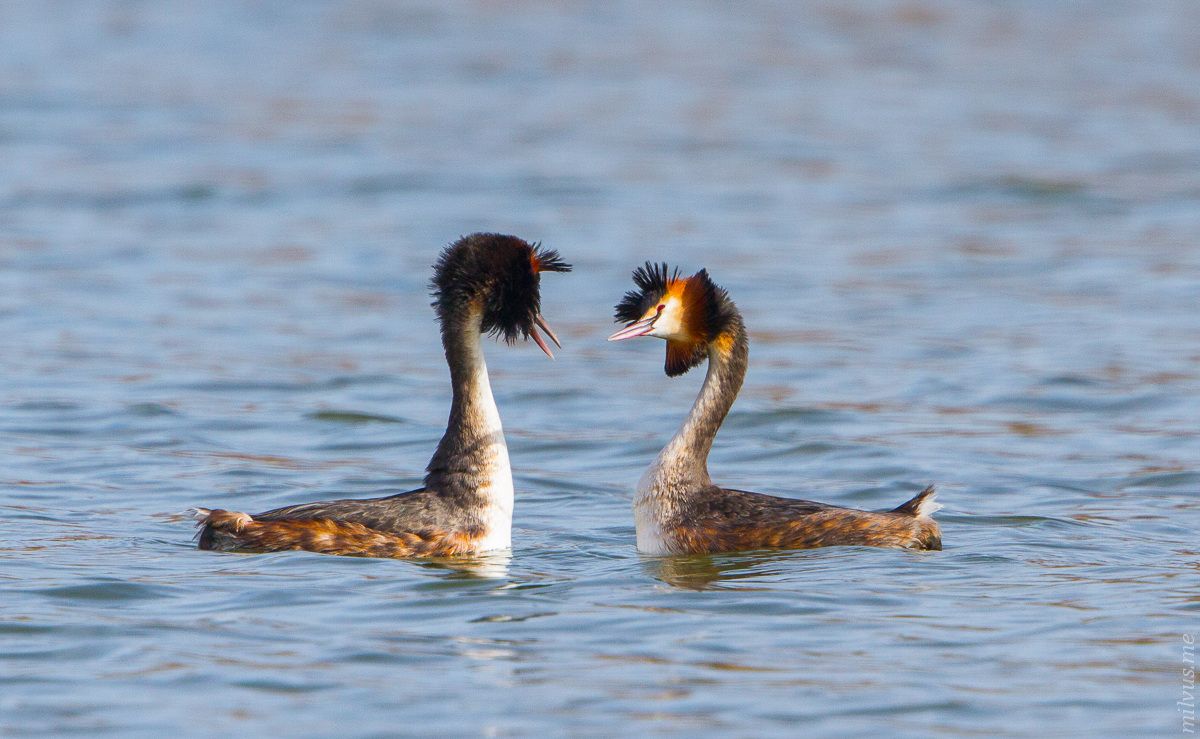
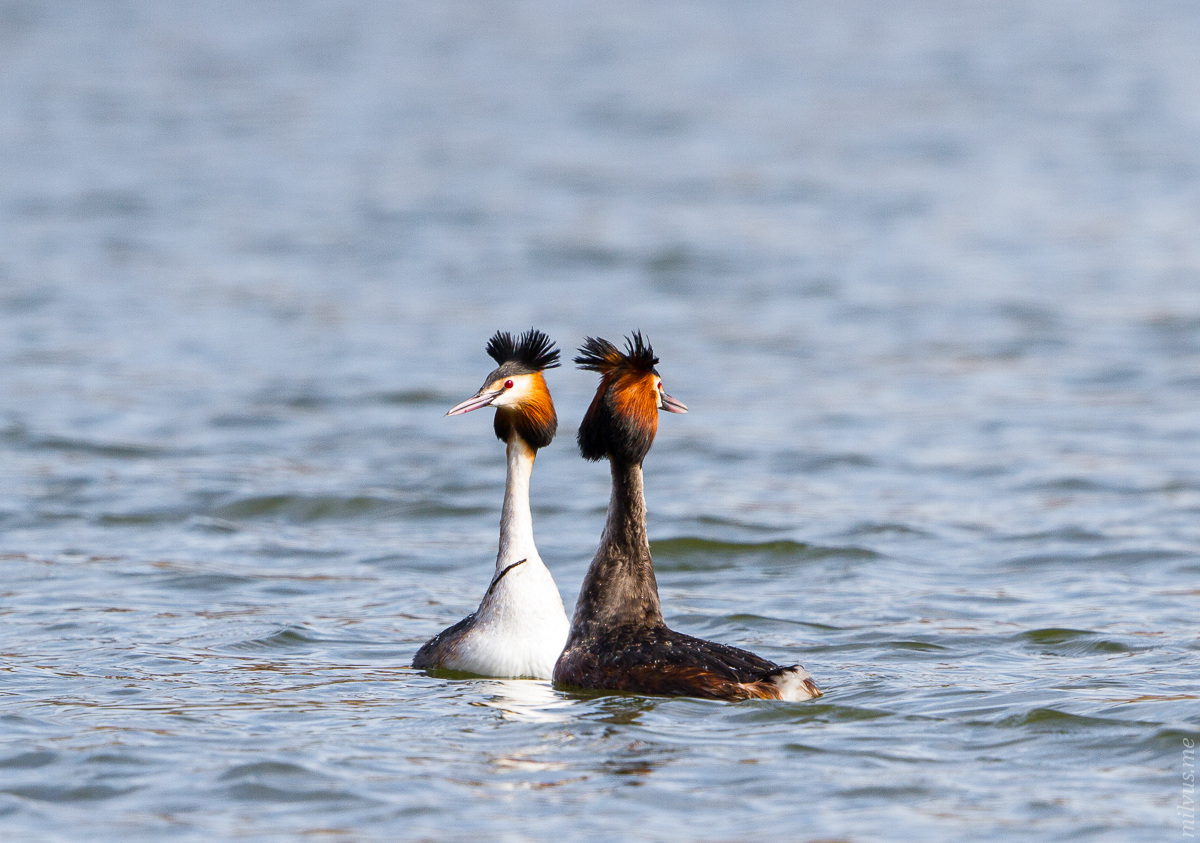
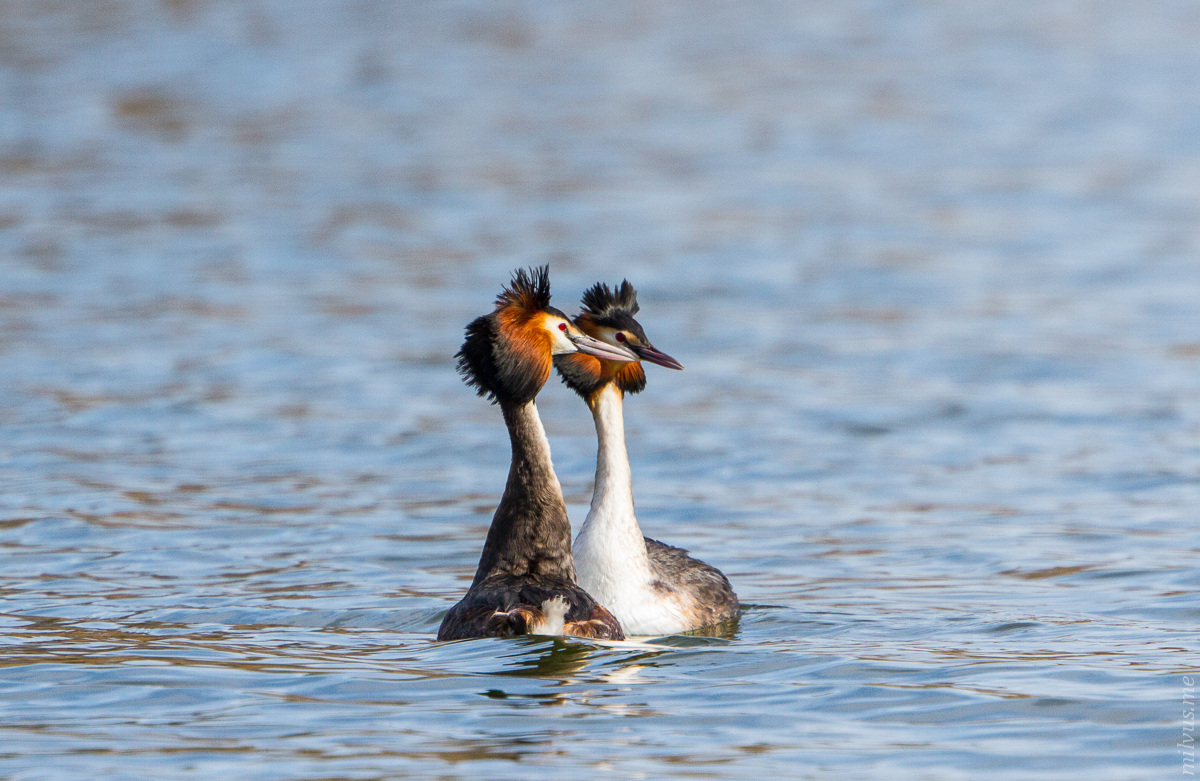
Speciesname sounds like a name for a pirate. Somebody should put pirate clothes on this bird.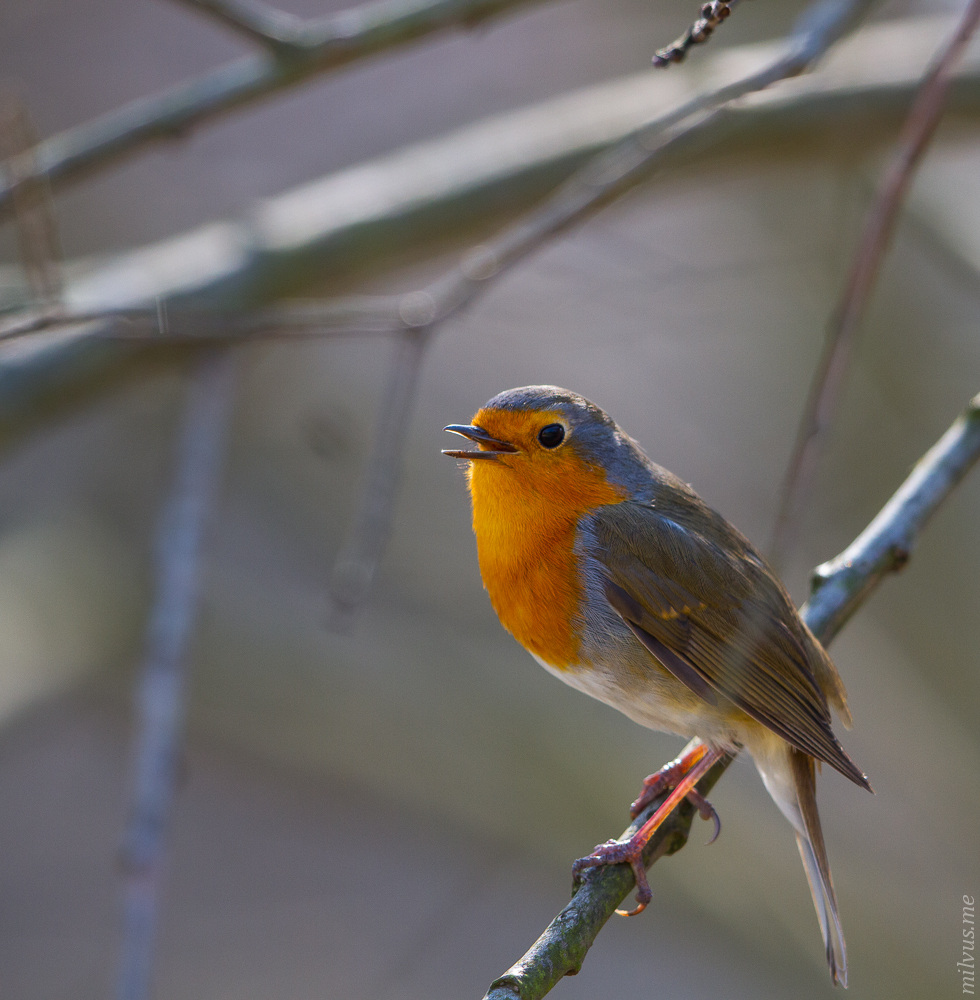
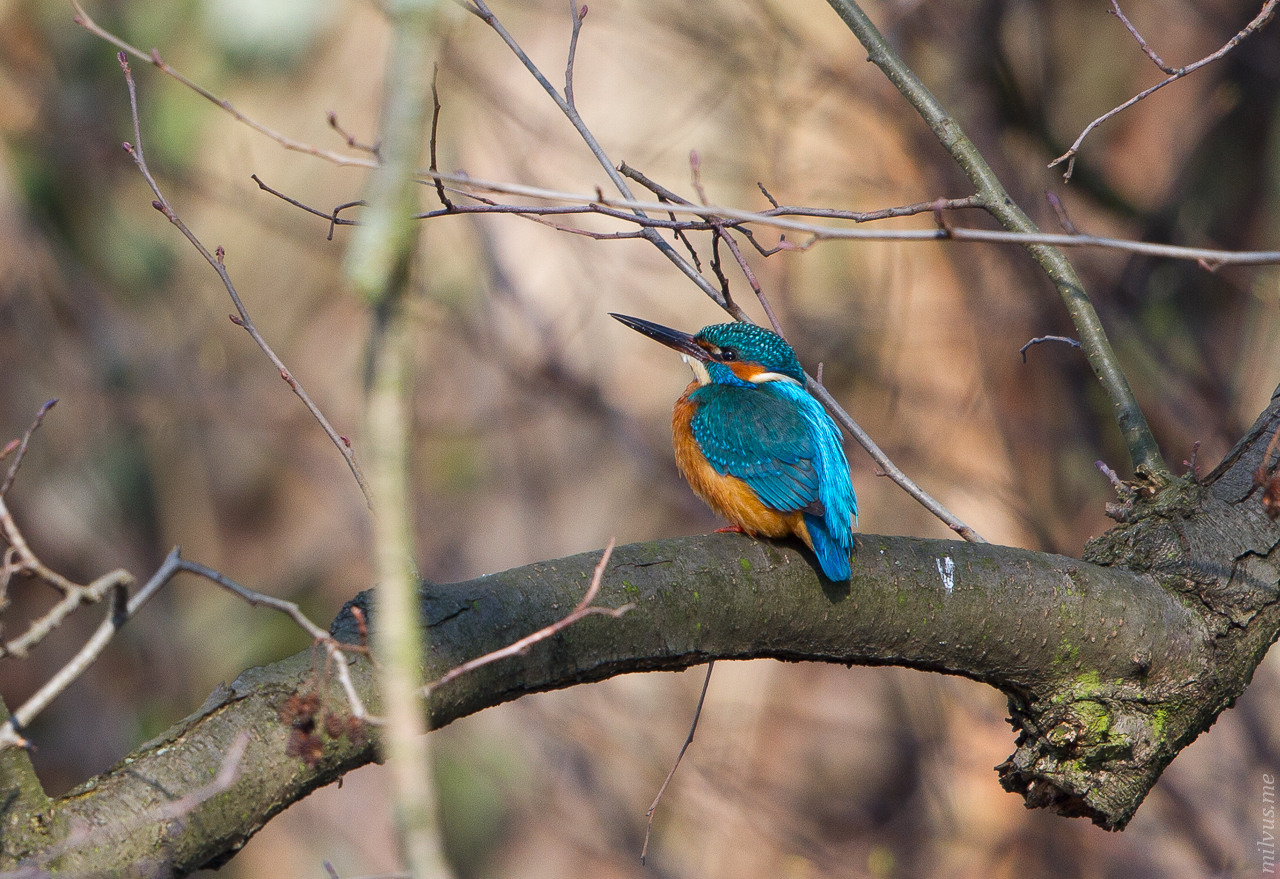
An Kingfisher, the flying diamond. Finally I got a better picture of him. Its really hard to get close enough. He is very small, and very shy. I think he didn’t see me because i was sitting in the reed.
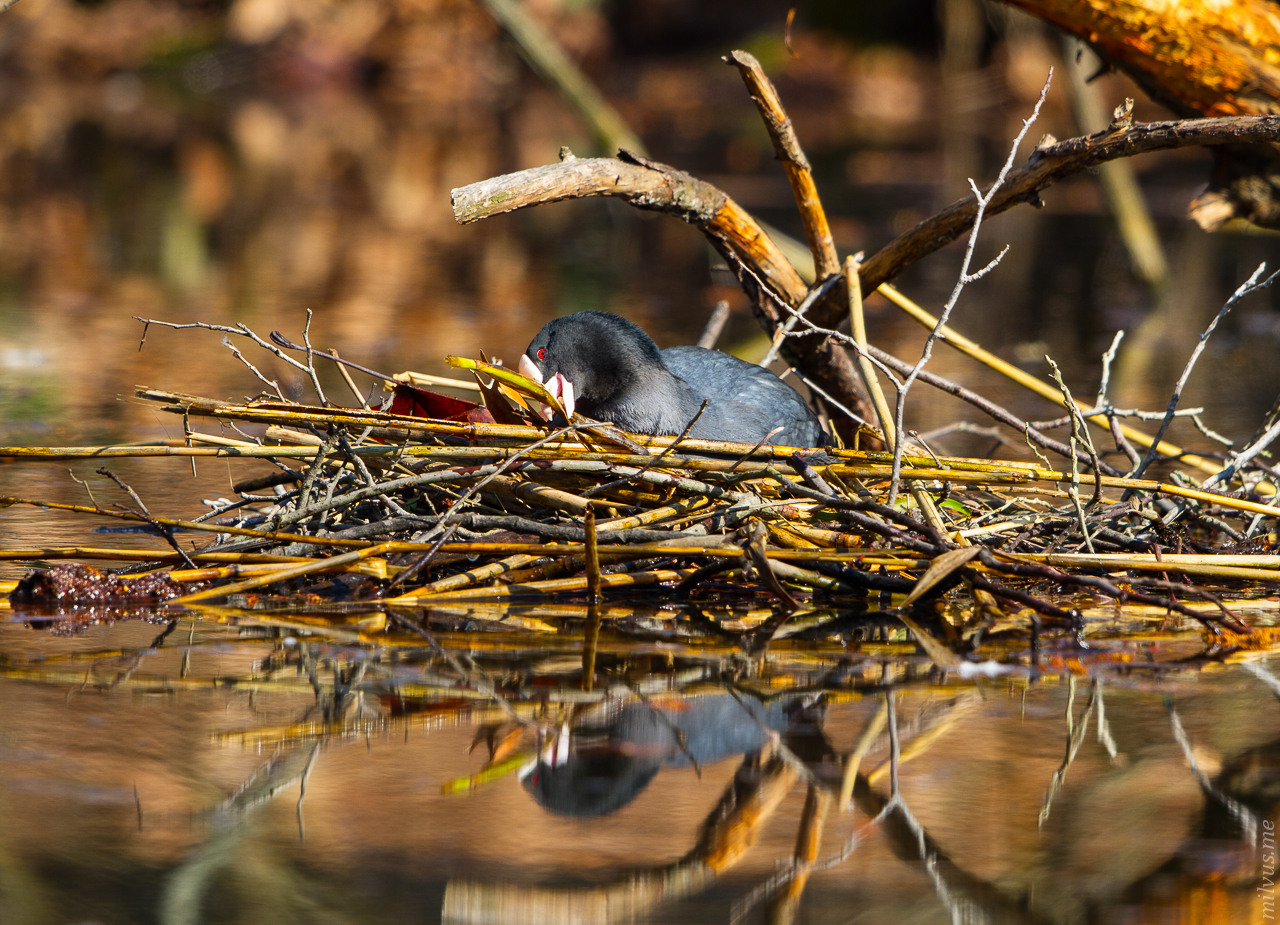
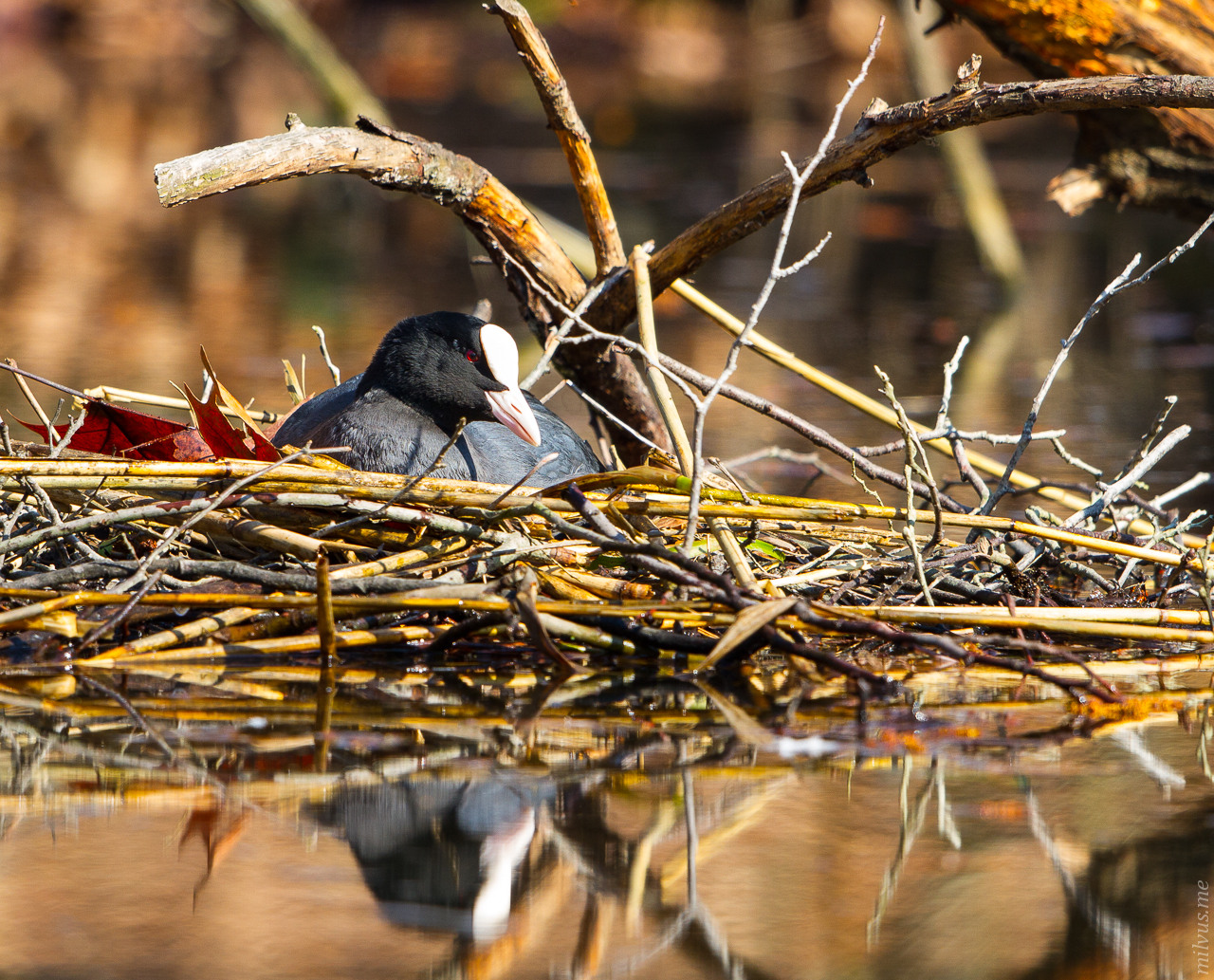
The coot (Fulica atra) is preparing its nest. Currently there are no eggs, but I guess there will be in a week.
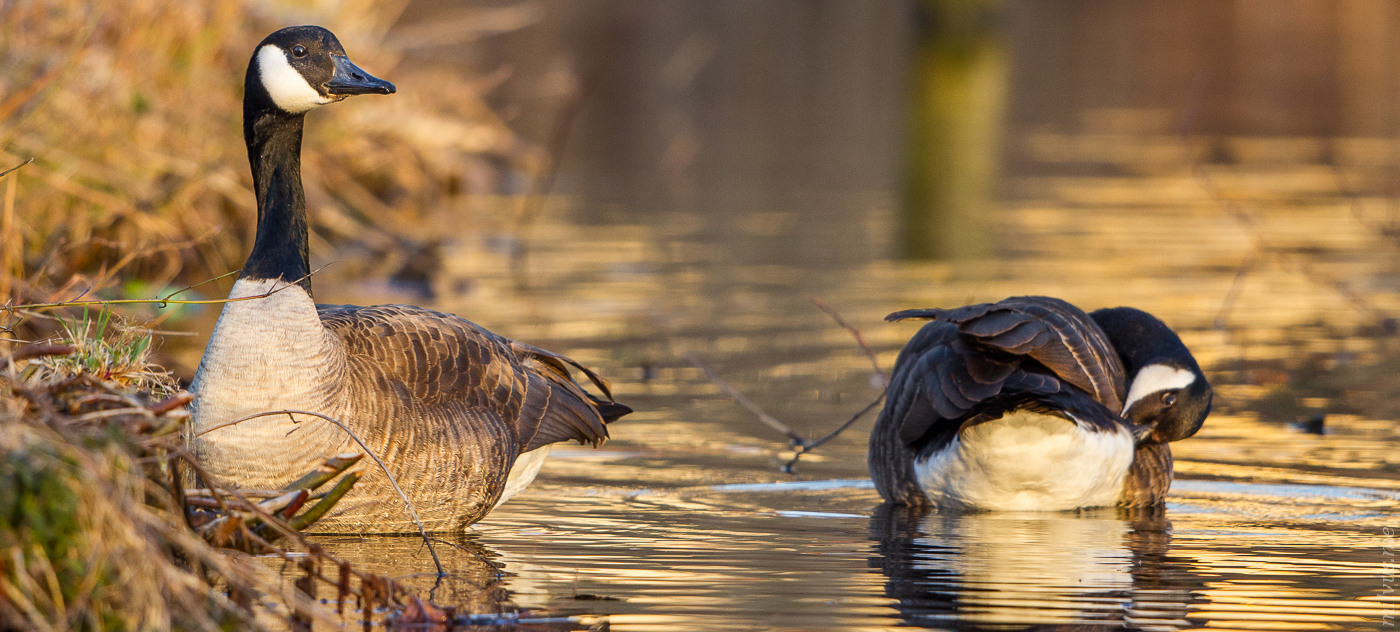
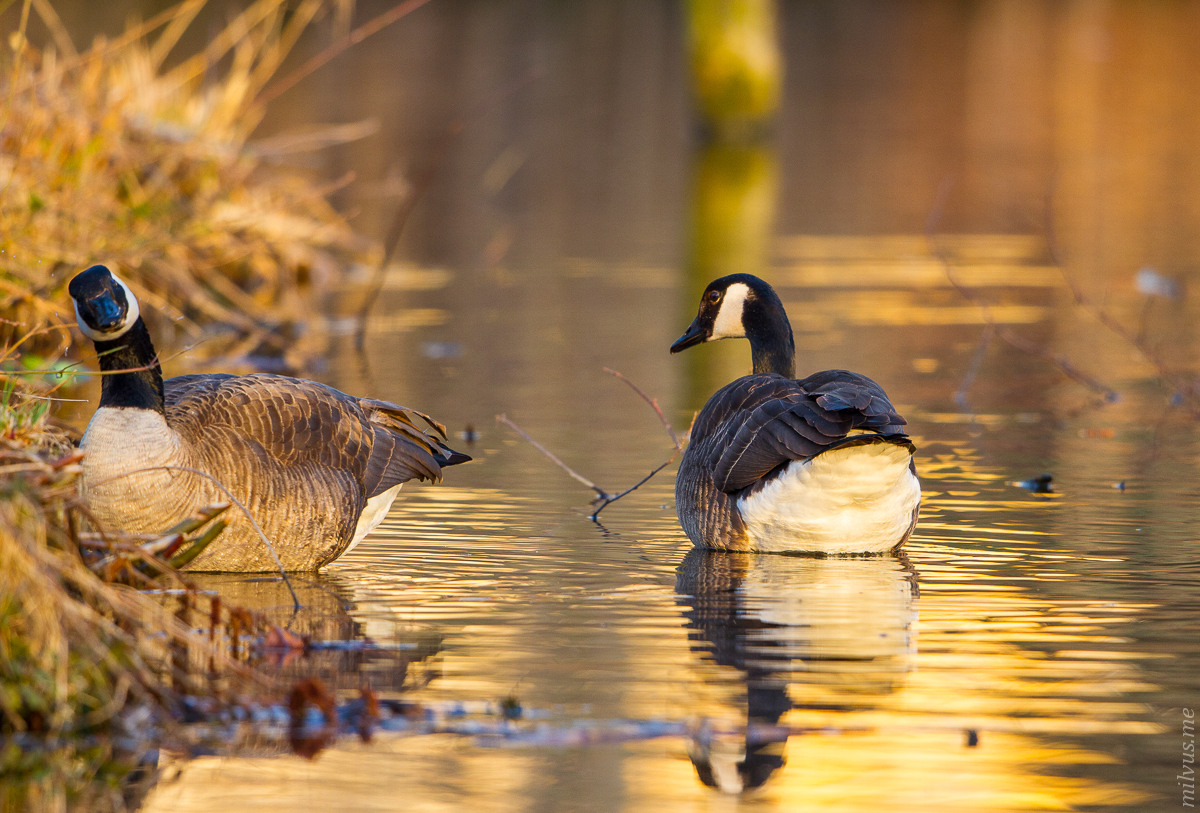
This two Canadian geese sitting in a reflection of the sun 2 big far away windows were creating on the water while being illuminated on the front by the late evening sun.
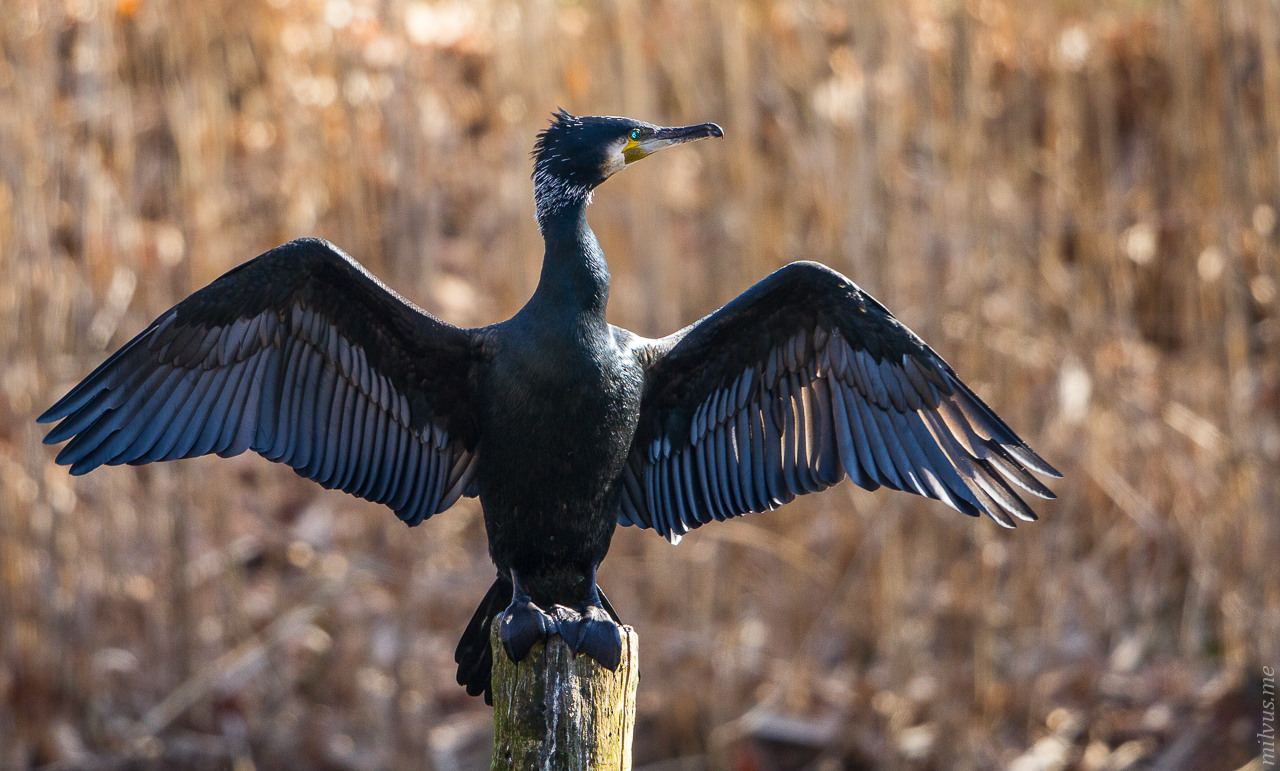
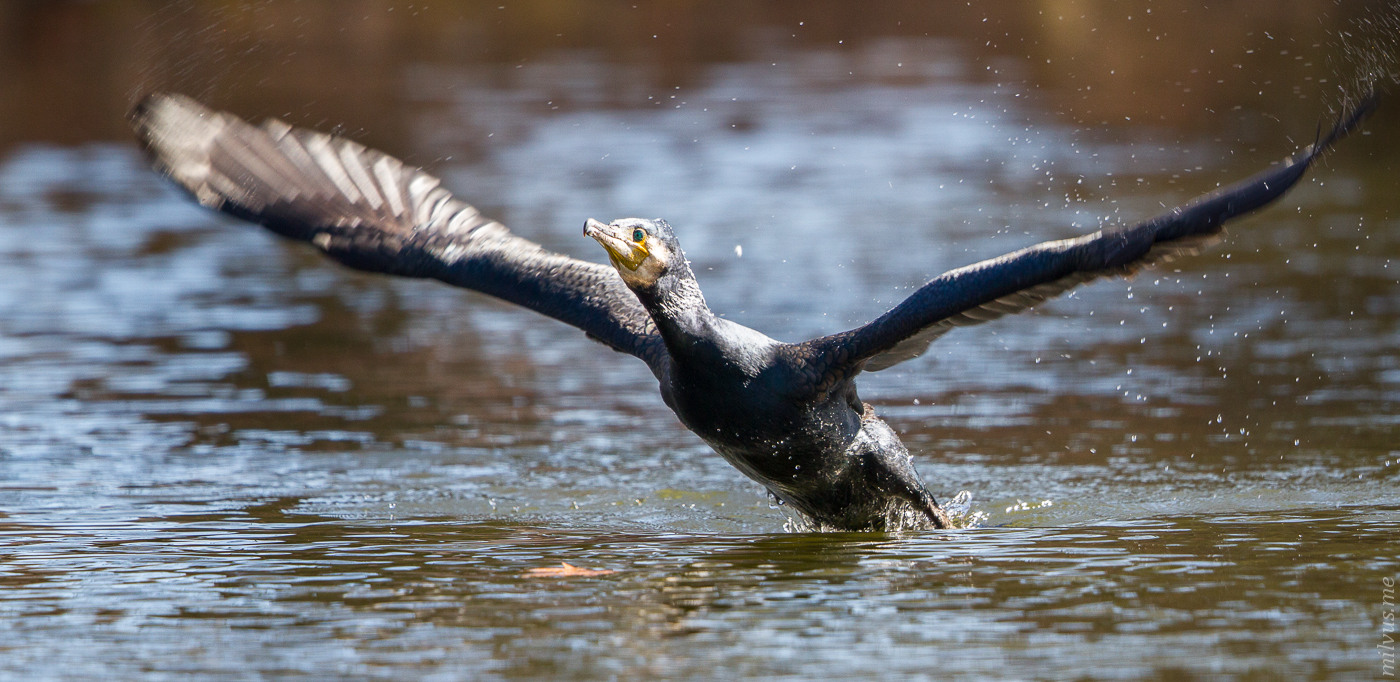
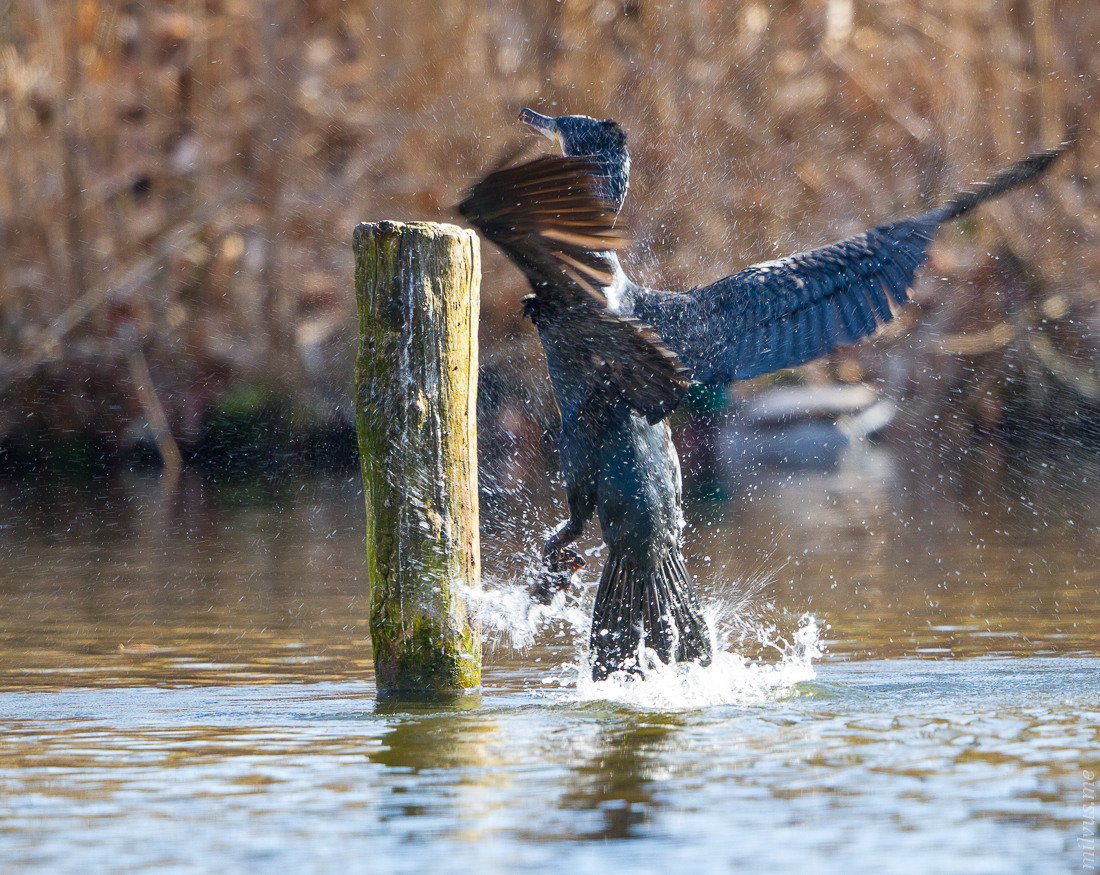
A cormorant visited my in Schlosspark Charlottenburg while I was waiting for a kingfisher to appear. (But he didn´t came.).
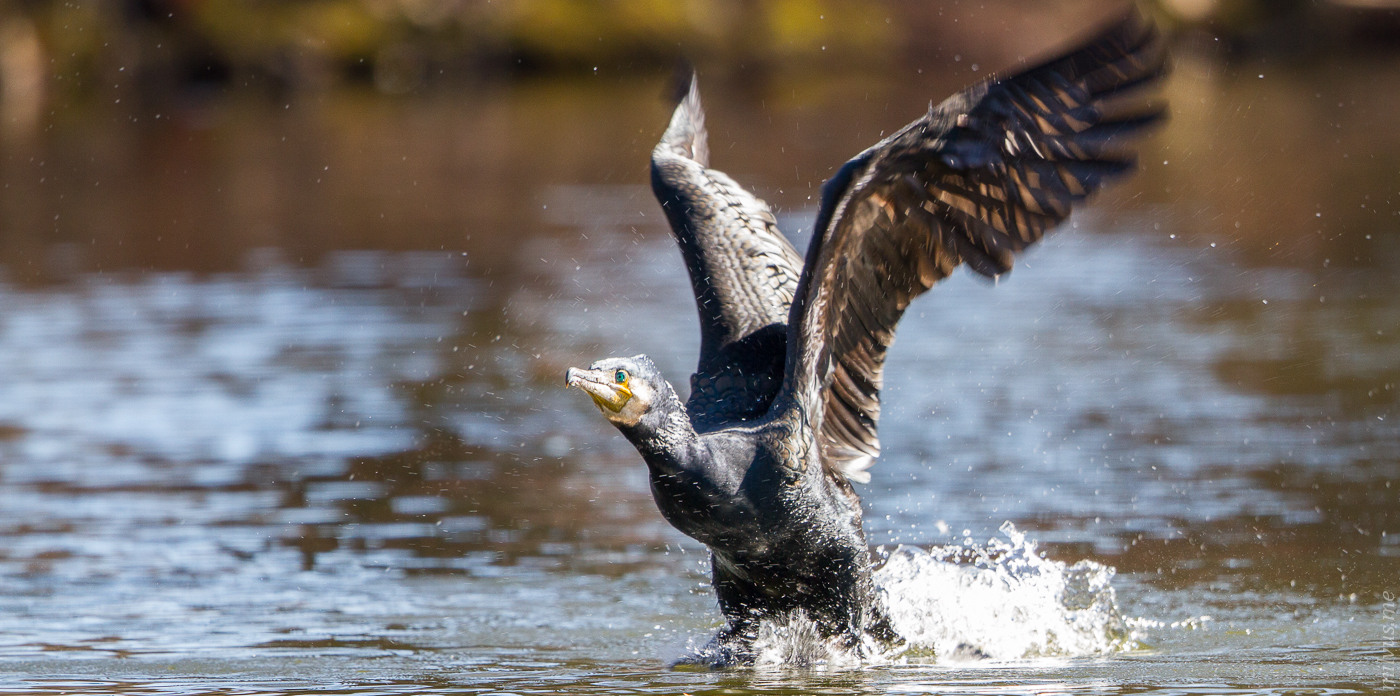
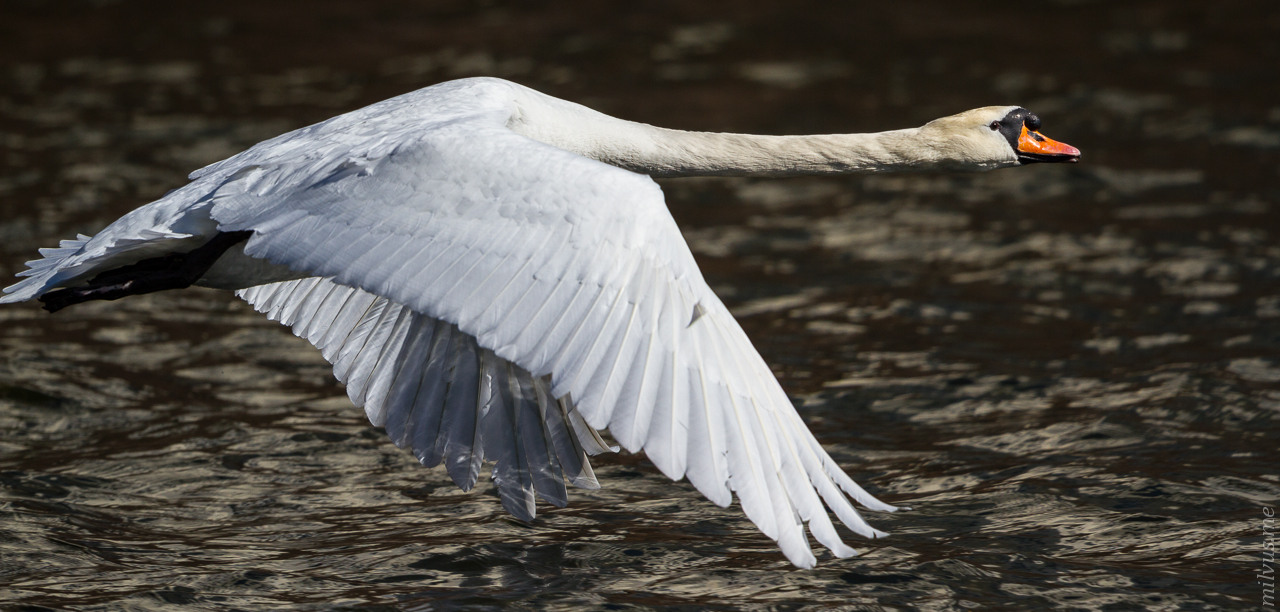
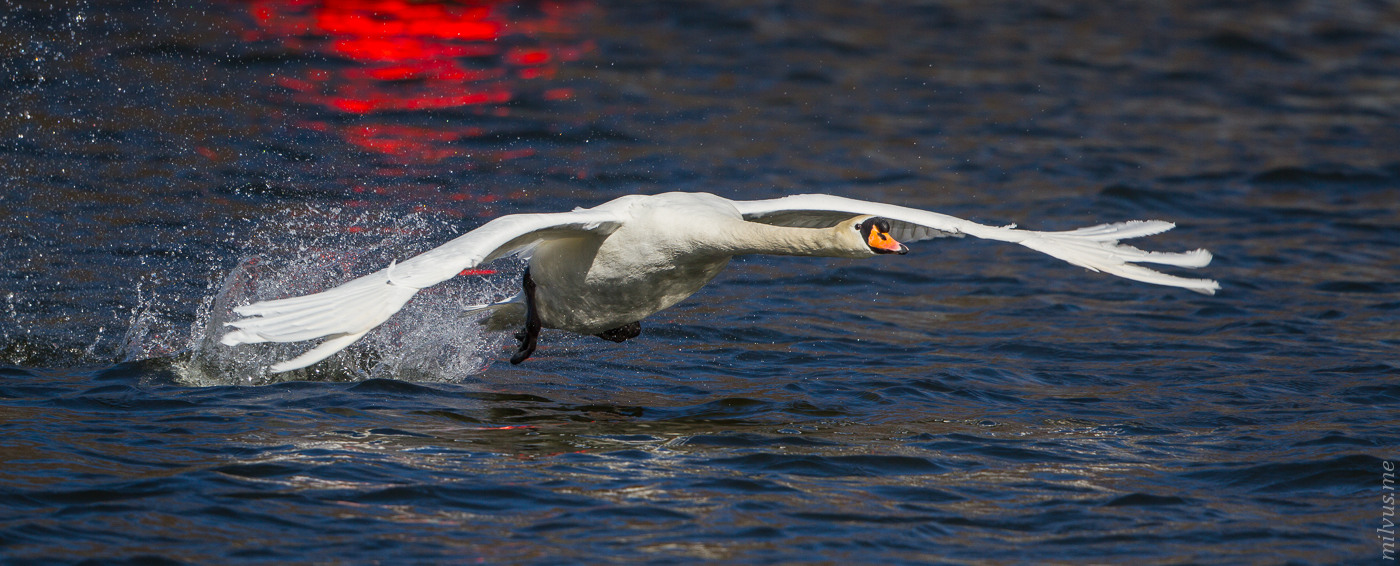
The swan swom out of a small canal on the big river “spree” – looked around – and started on the big runway.
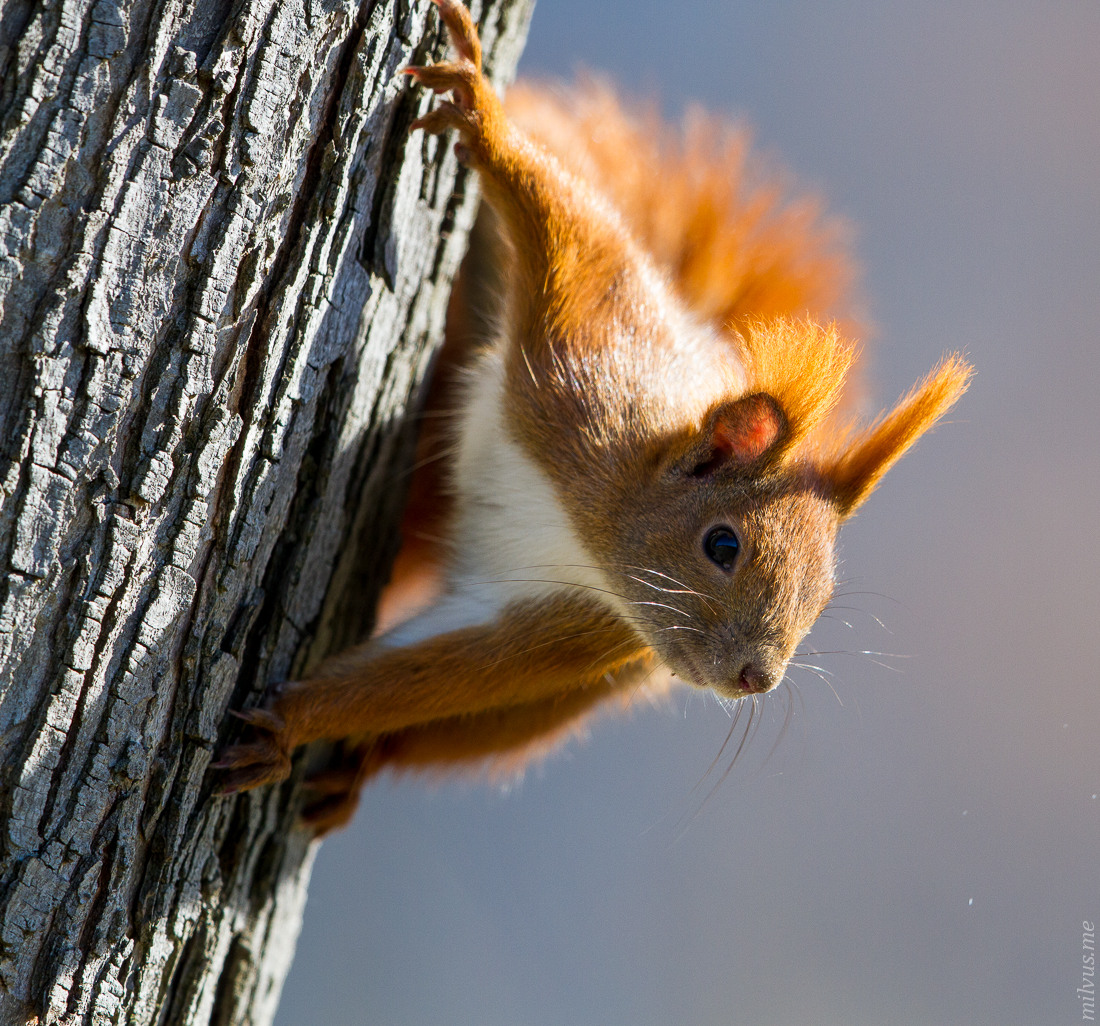
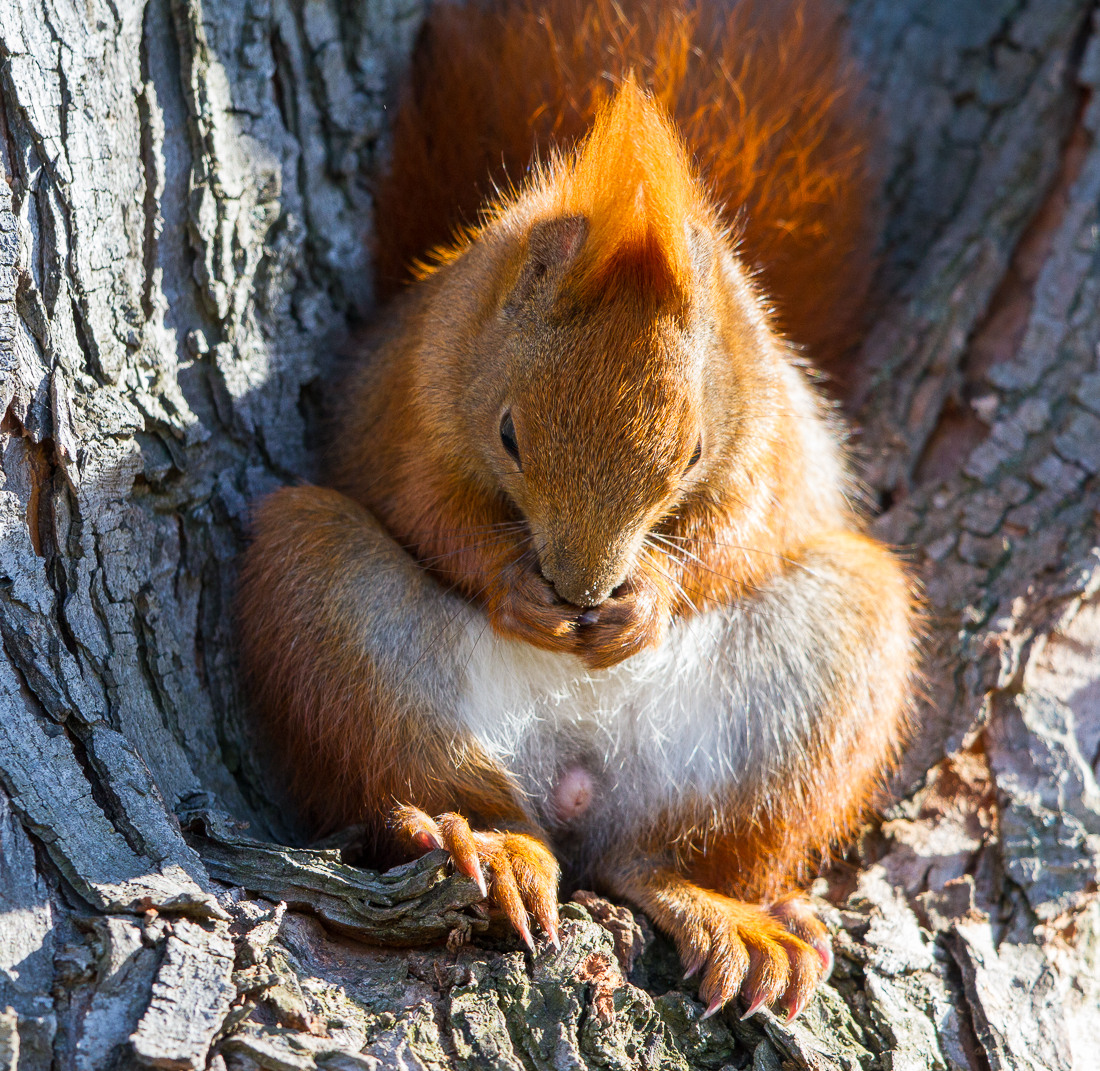
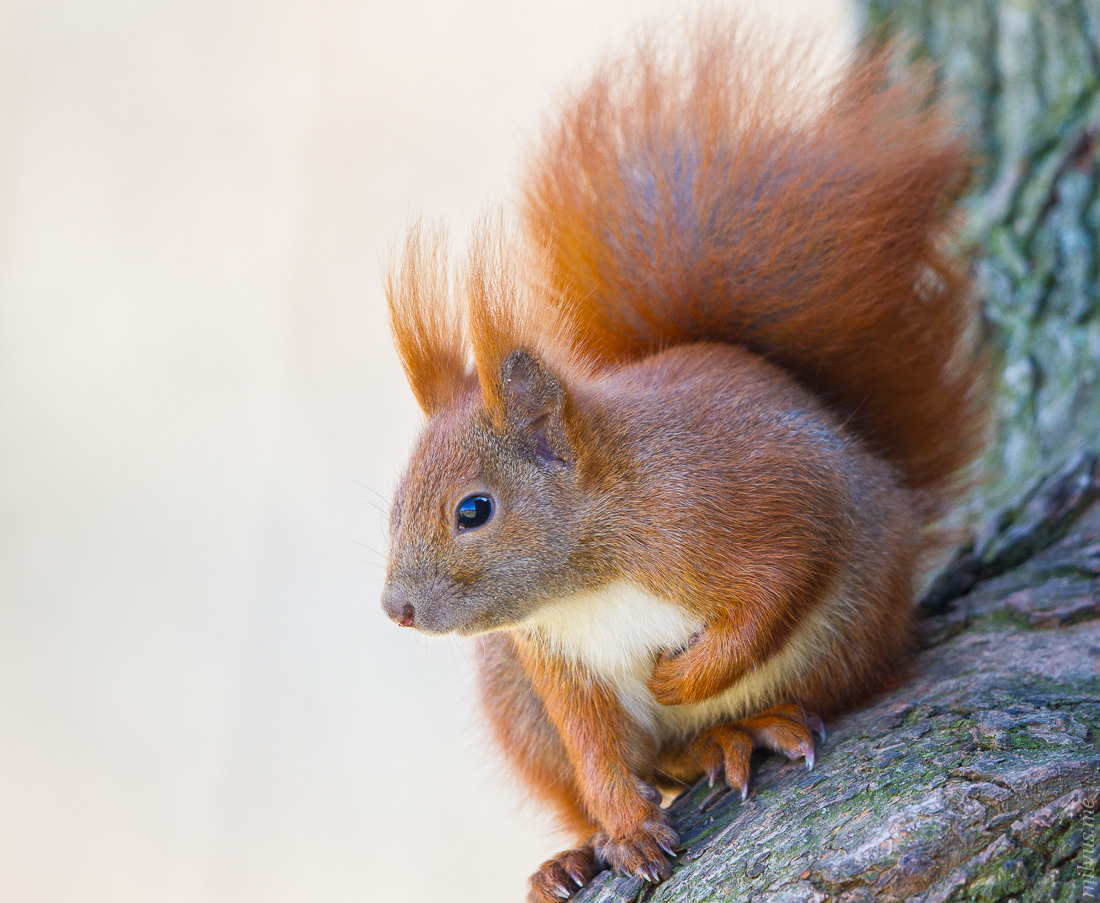
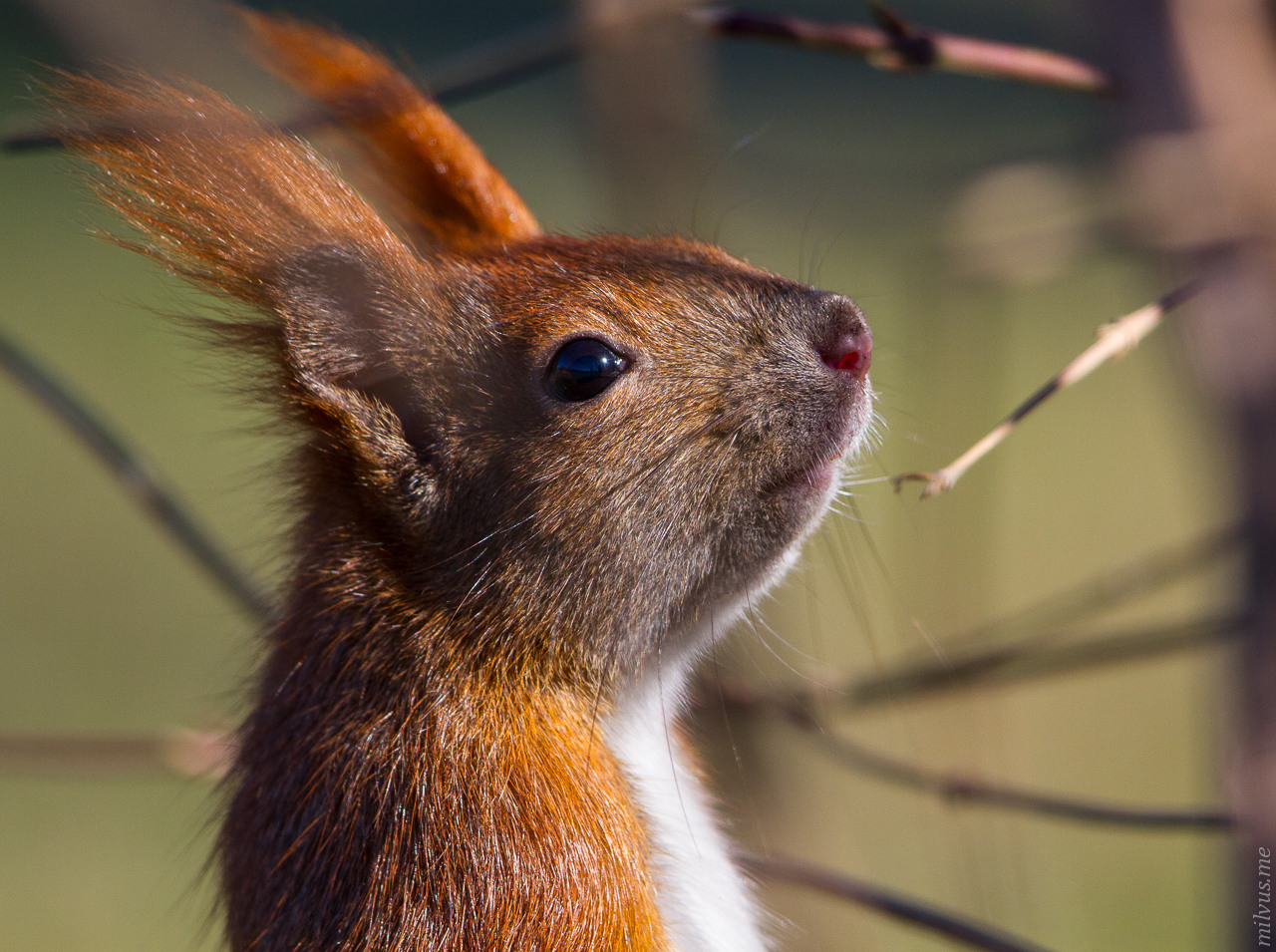
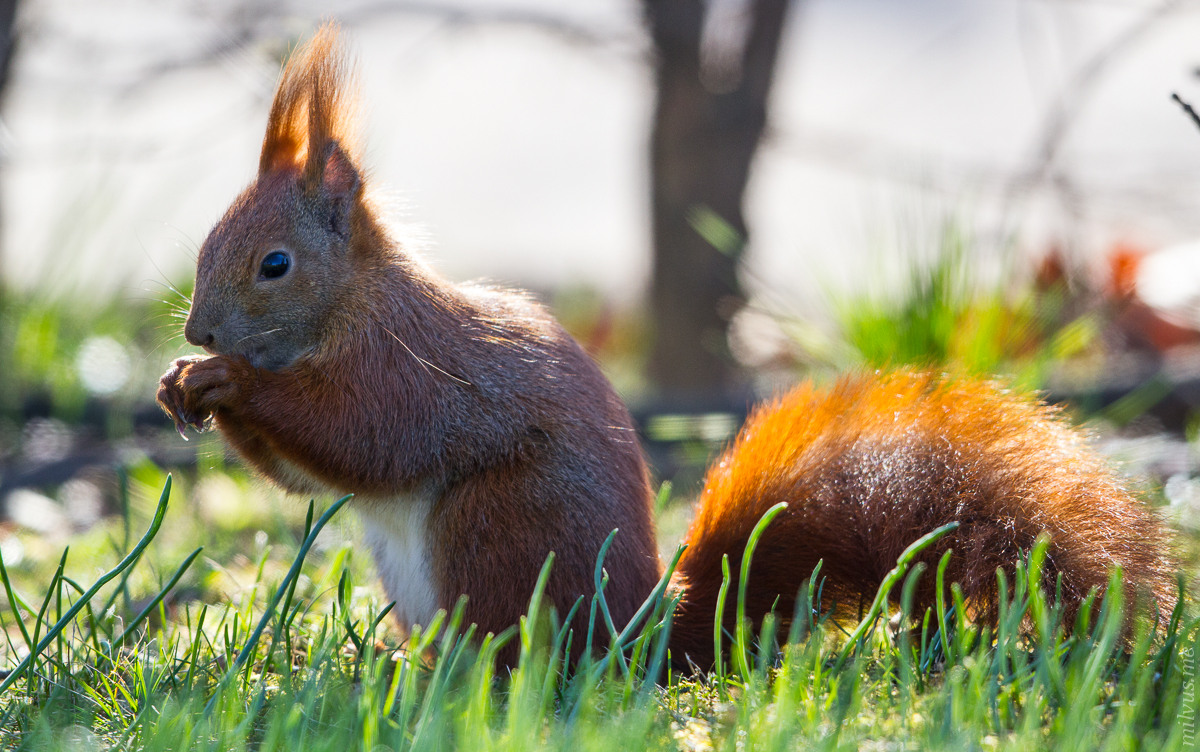
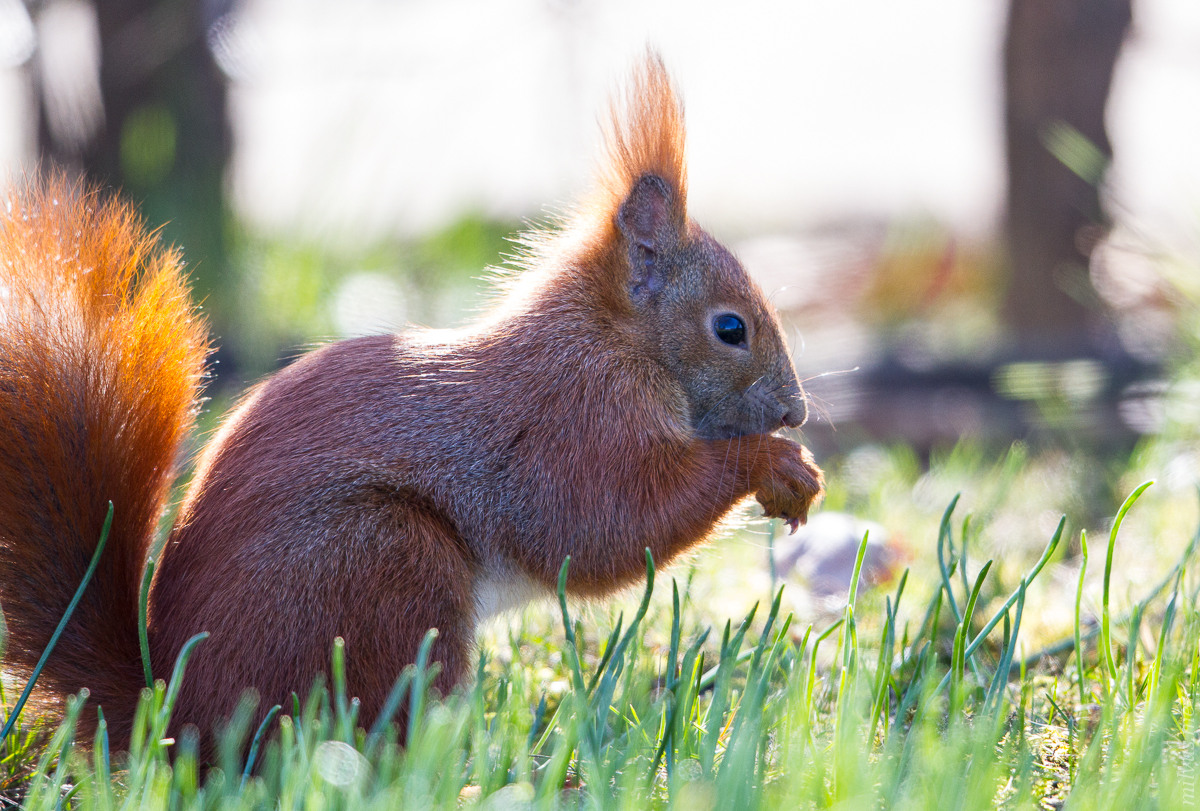
Nusskadse. Okay, its a squirrel. I was laying on the ground before a nest of long-tailed tits and waited for them to come back as this squirrel appeared. It came down a tree and approaches. After while it was so close I couldn’t focus it anymore. A minute later it looked into the sunshield of my lense.
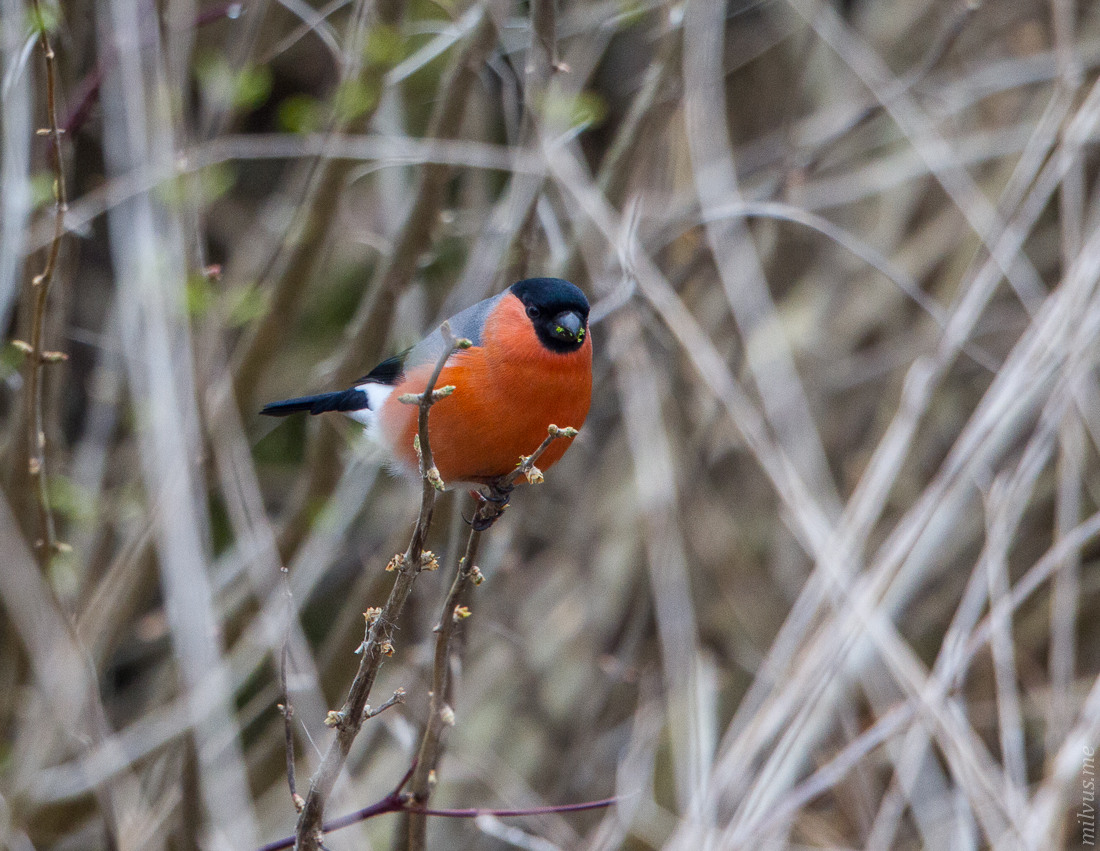
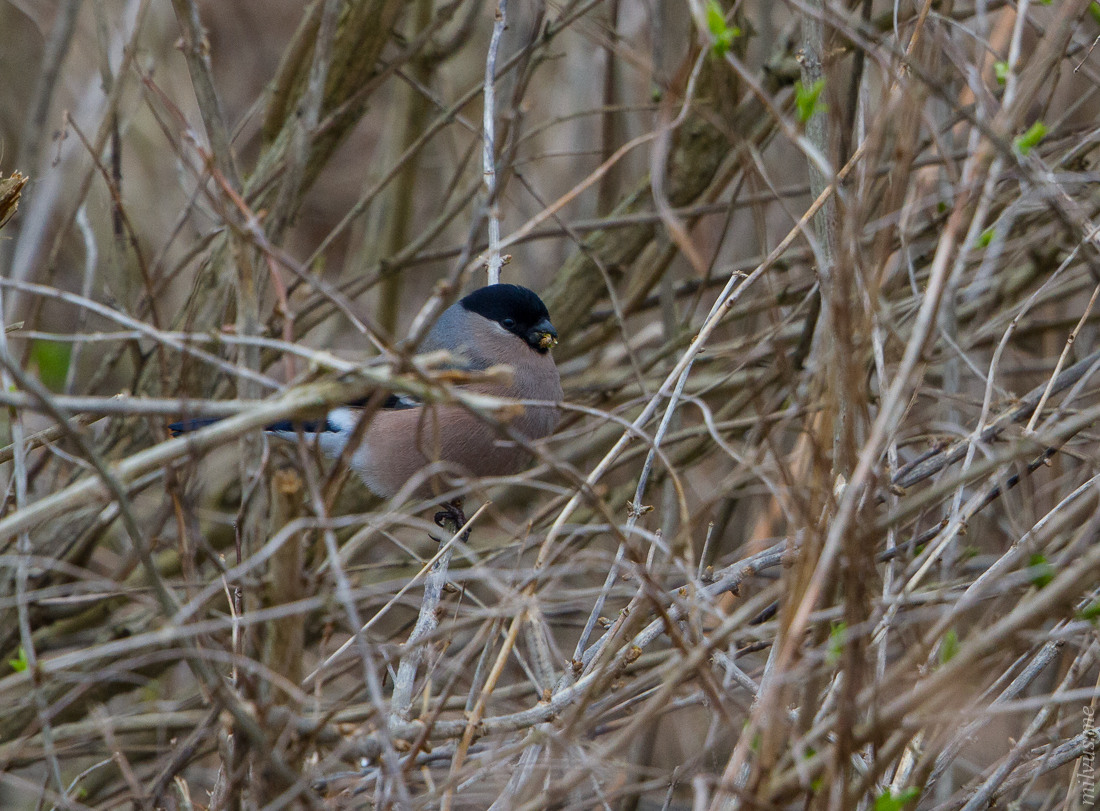
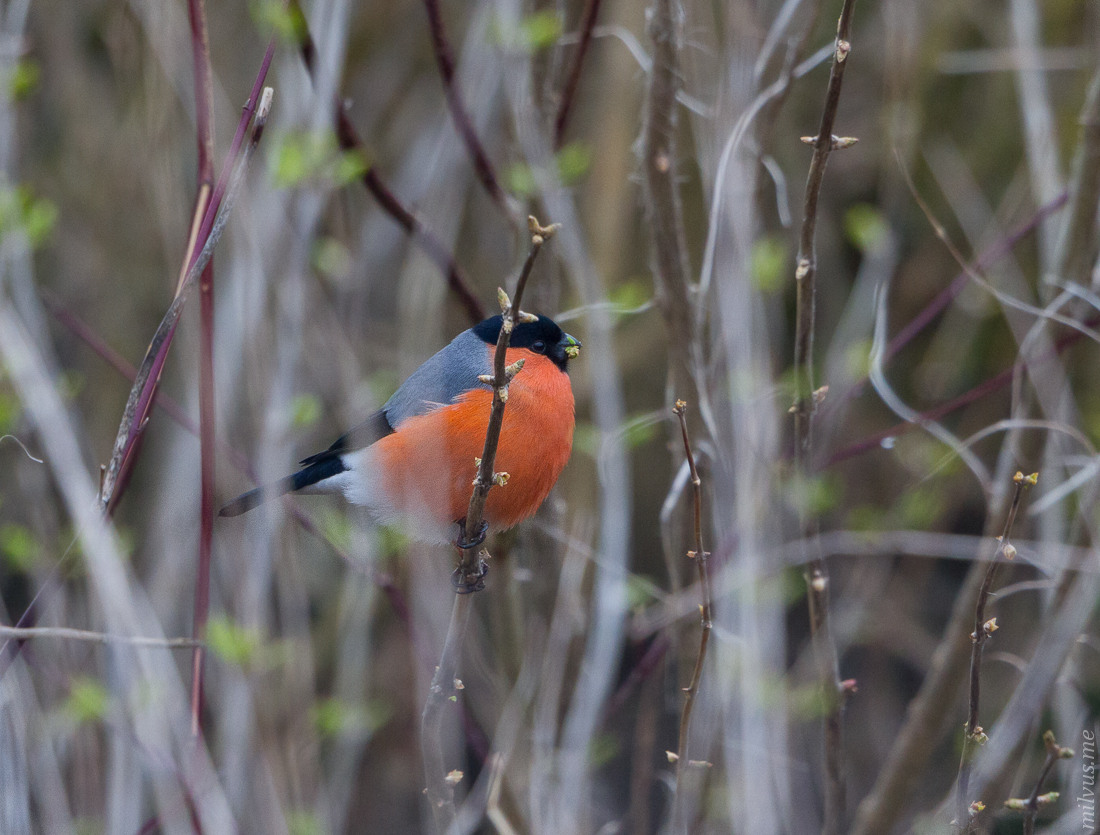
Eurasian bullfinch (or “Gimpel” “Dompfaff” how we call them) is a red, round bird with an quite small beak. Hed feeding on buds and seeds (on trees). This pair visited us near a observation point while we waited for Great Bustards to appear.
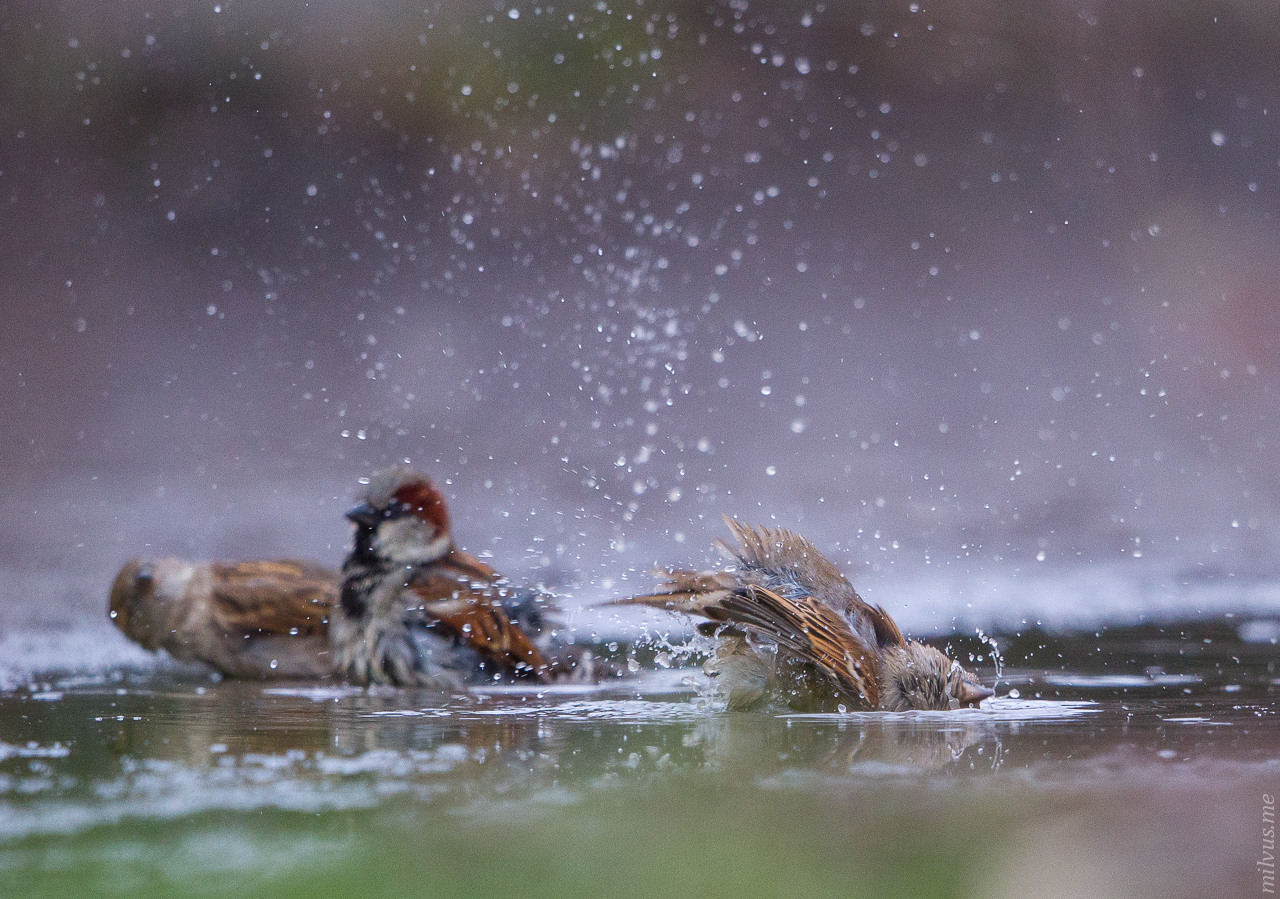
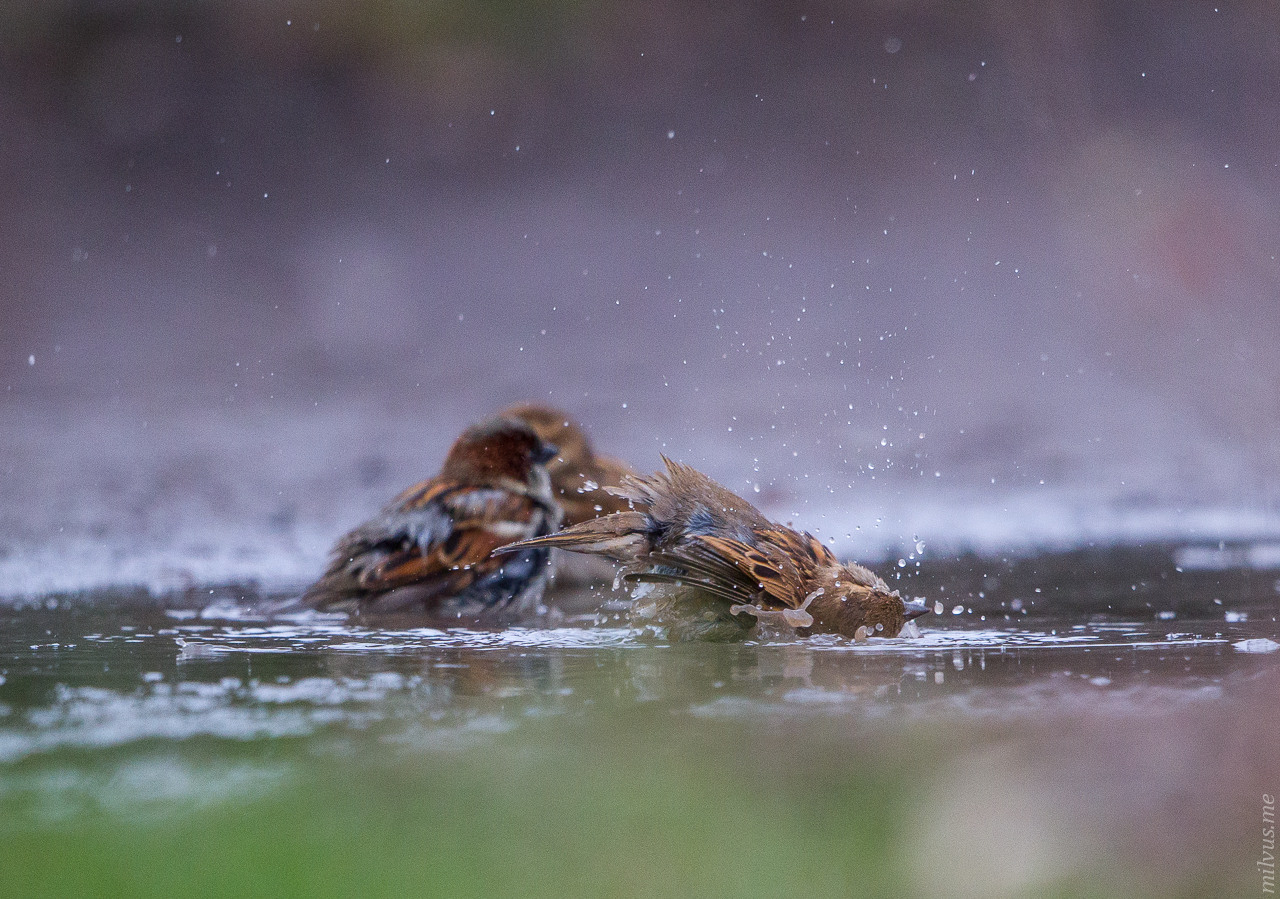
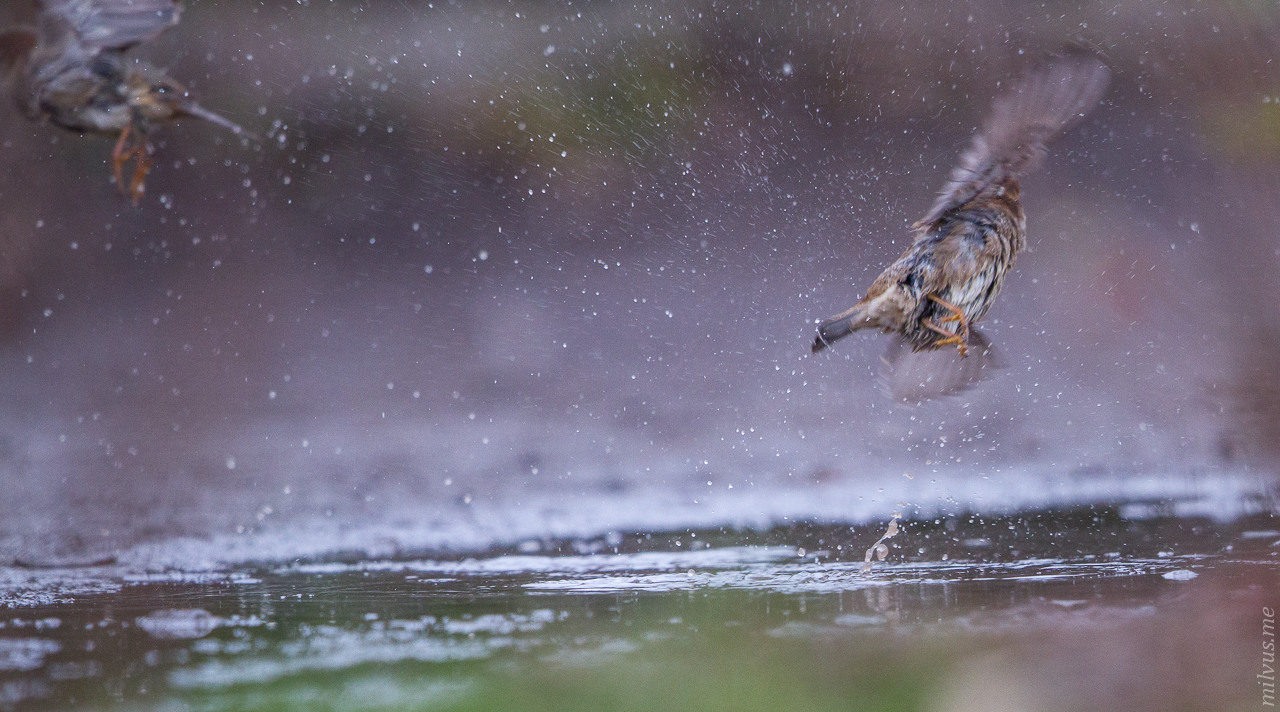
House Sparrows taking a bath in a small puddle formed by a recent rainshower.
Photos taken in Charlottenburg, Berlin.
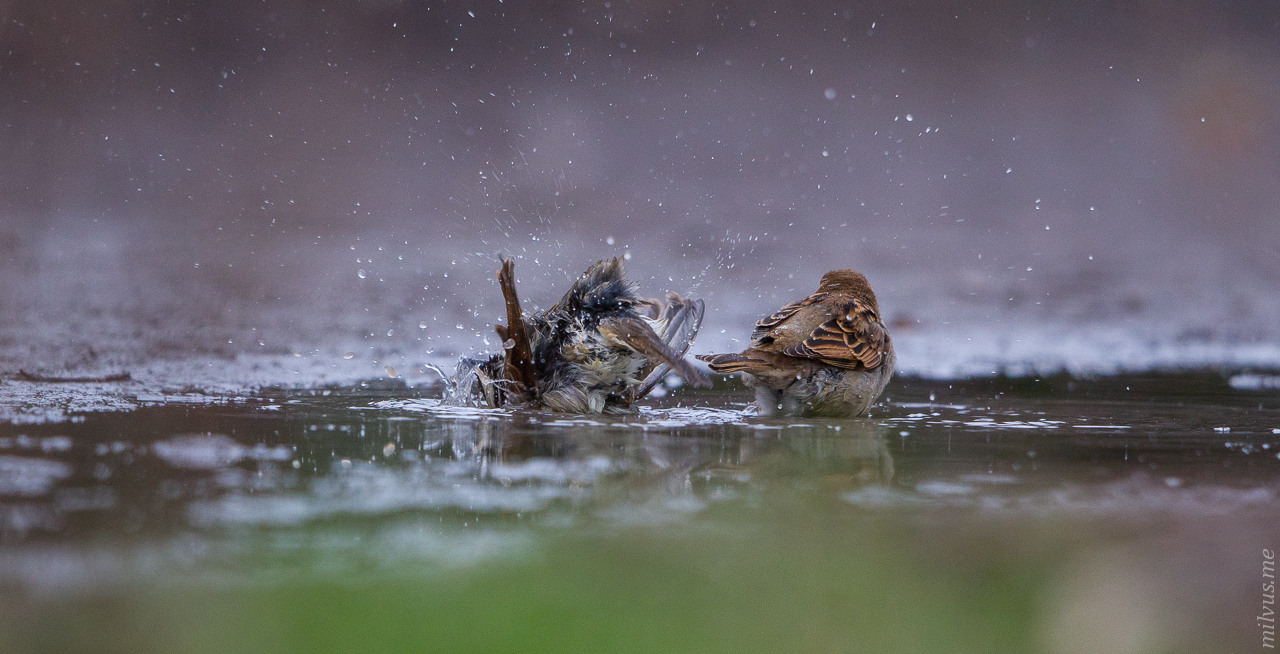
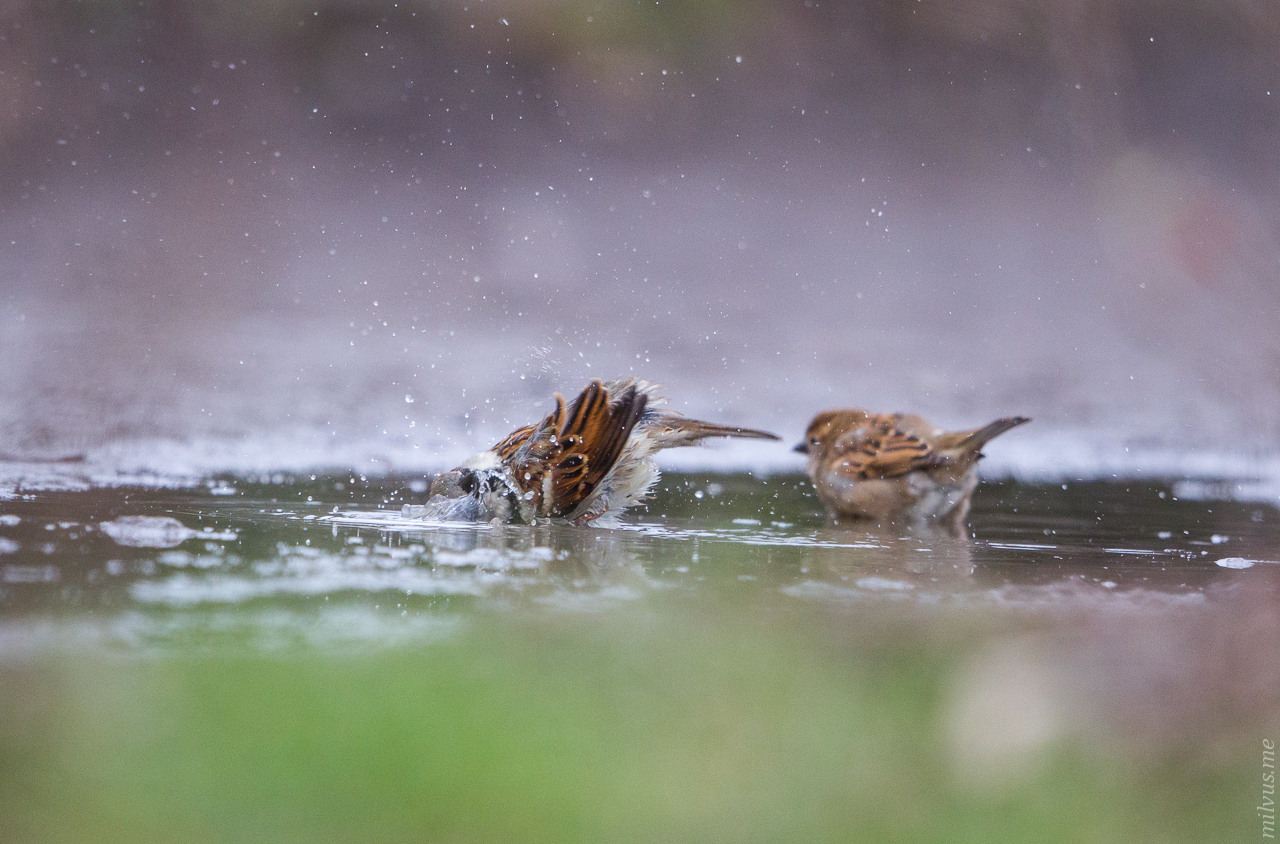
Aaand I am outta here!
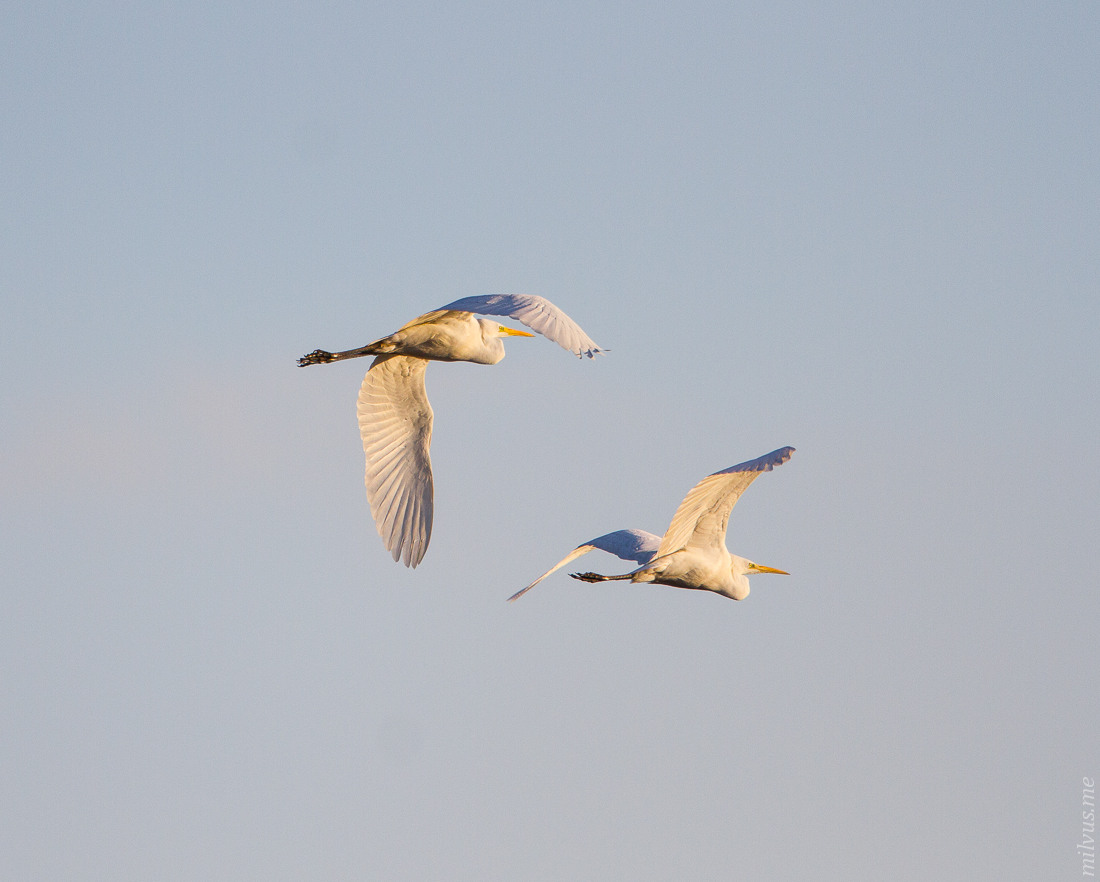
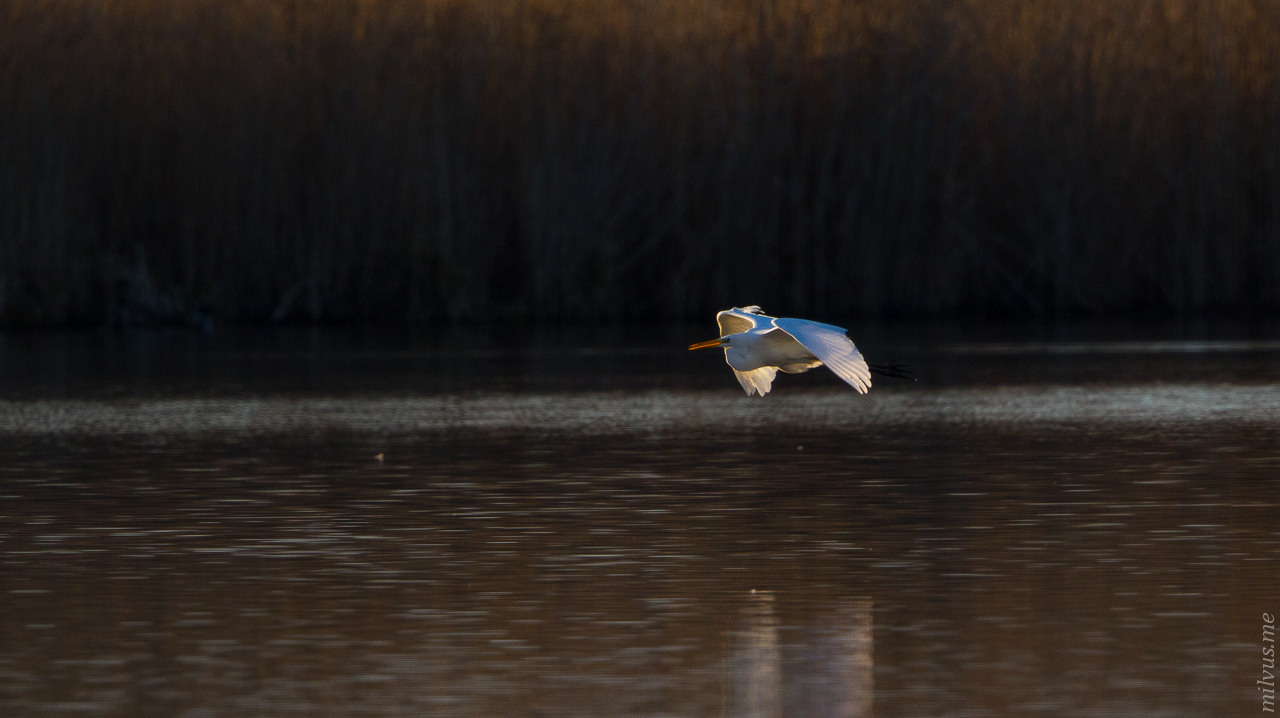
A pair of great Egrets. The acme of white. The perfect animal for an advertisment for laundry detergent . Taken in Stangenhagen, Brandenburg.
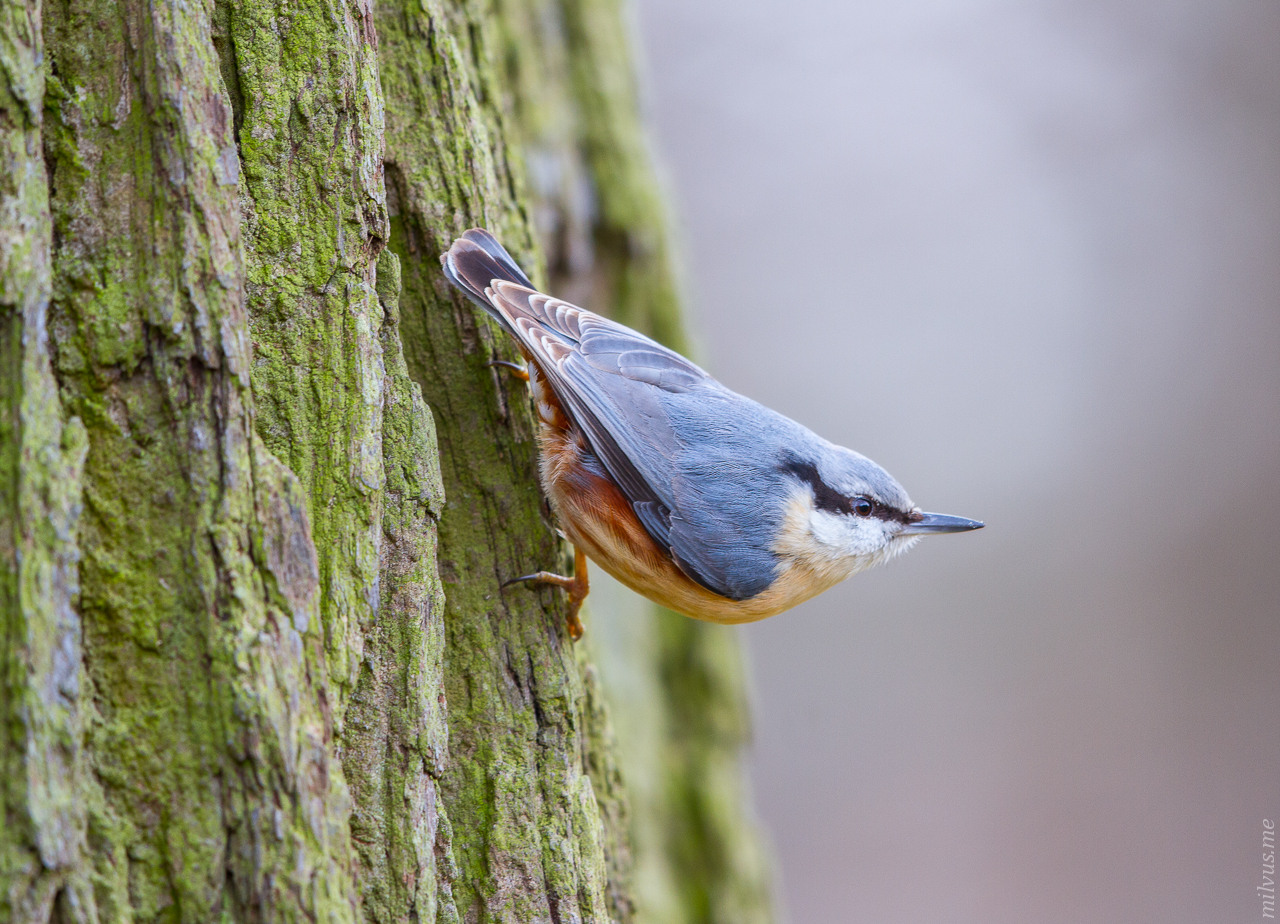
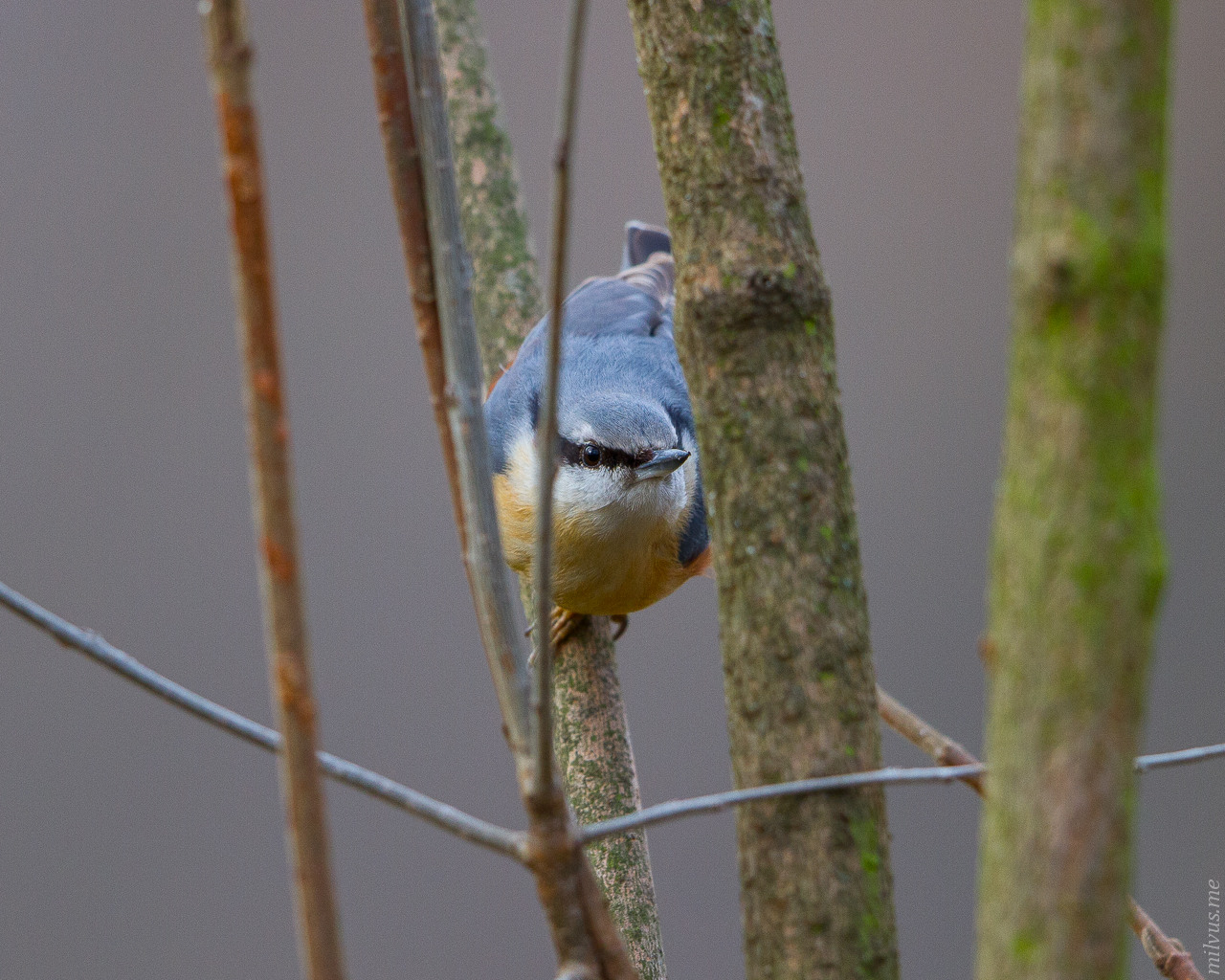
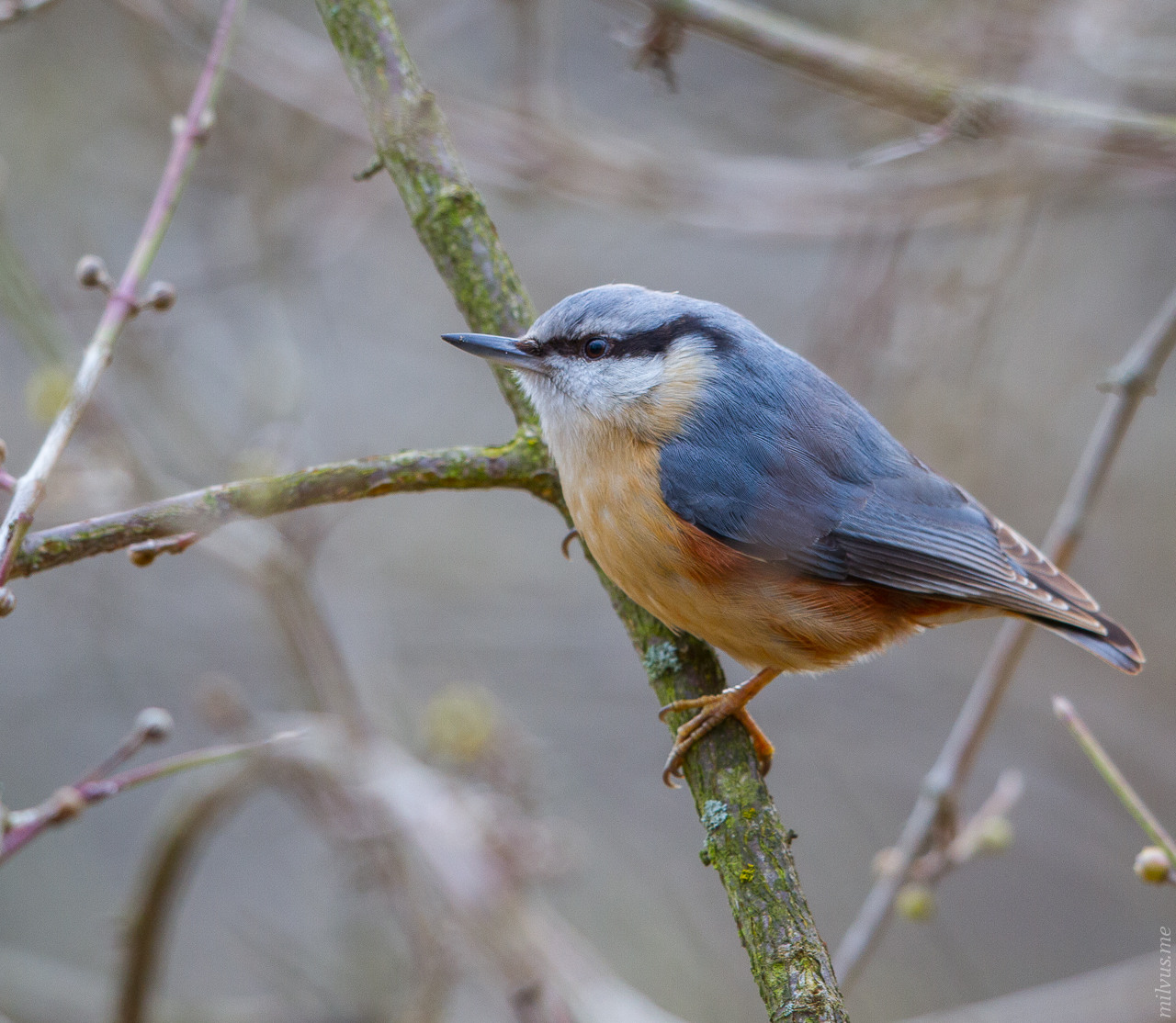
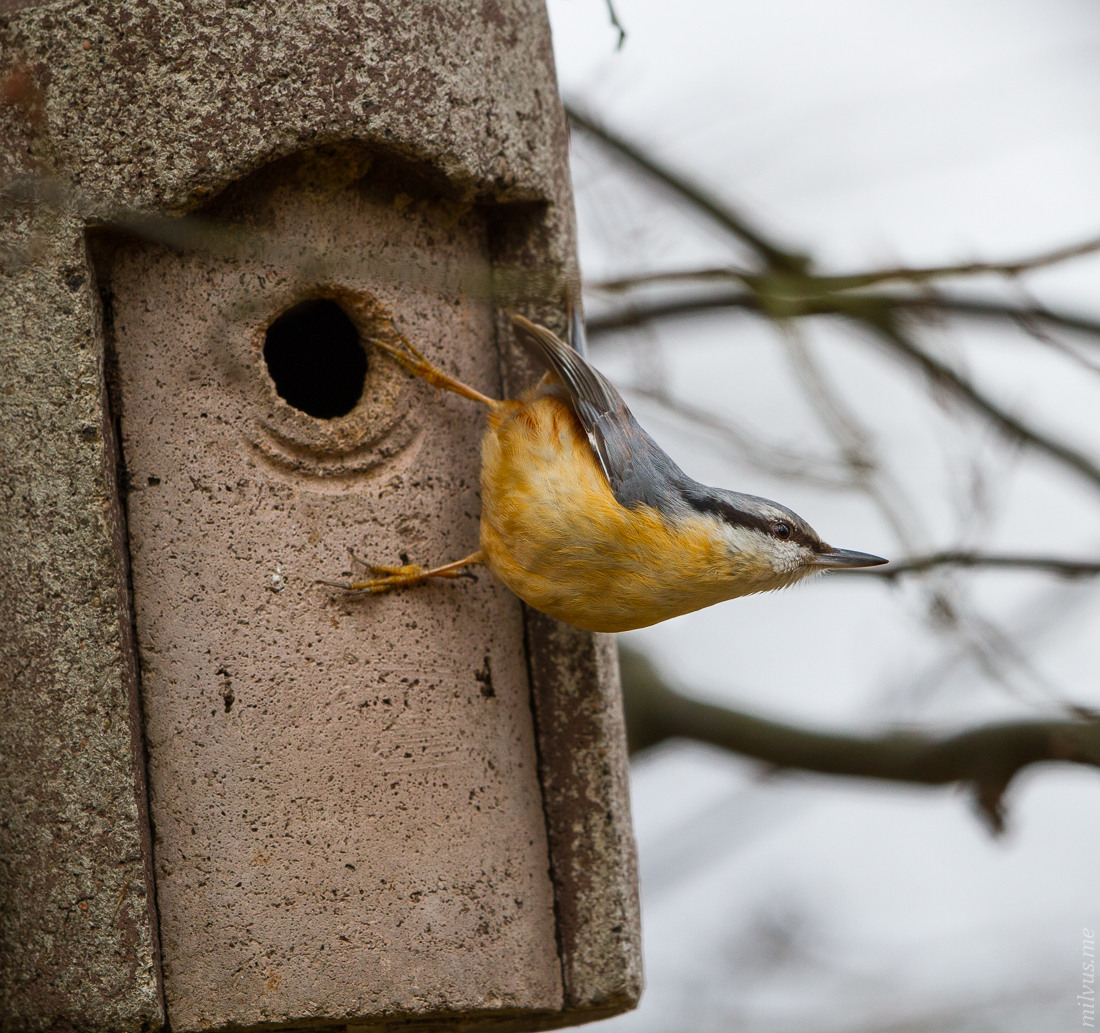
A nuthatch from the Schlosspark Charlottenburg. Pics were taken on 2 different days. Nuthatchs can walk overhead and climb in any position. They re-use old woodpicker holes but make the entry alot smaller by using a “glue” of spittle and mud.
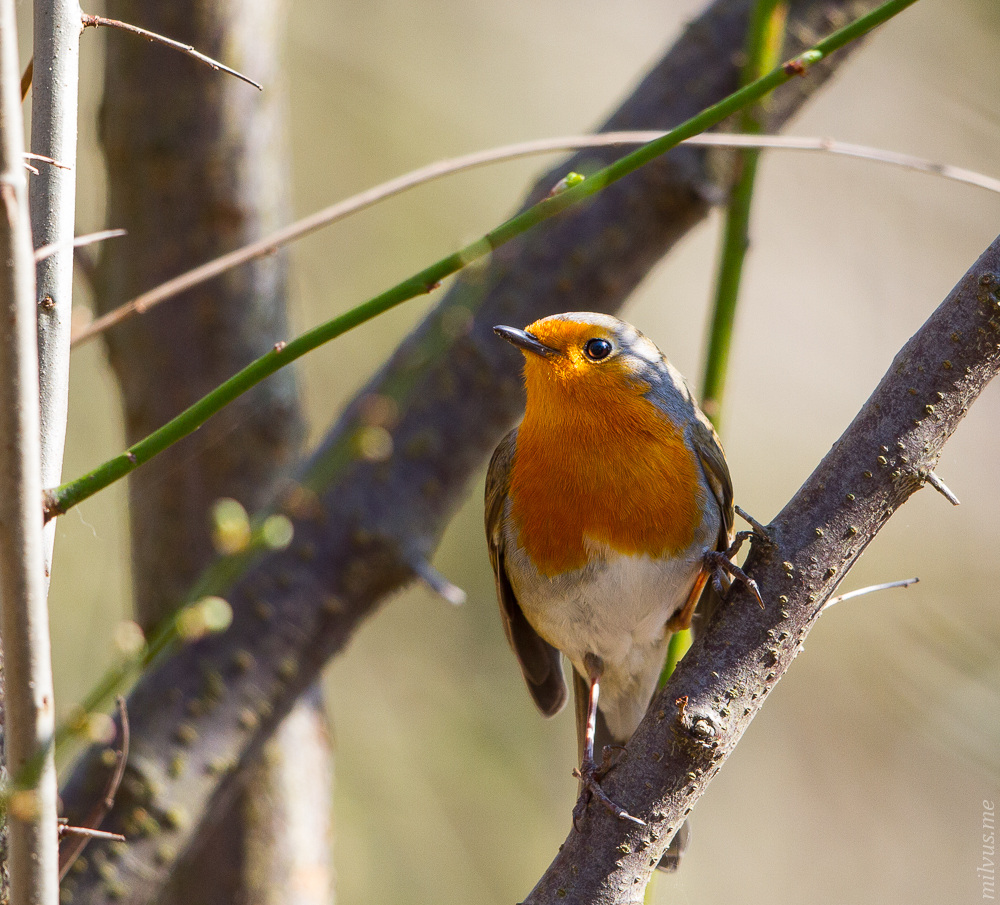
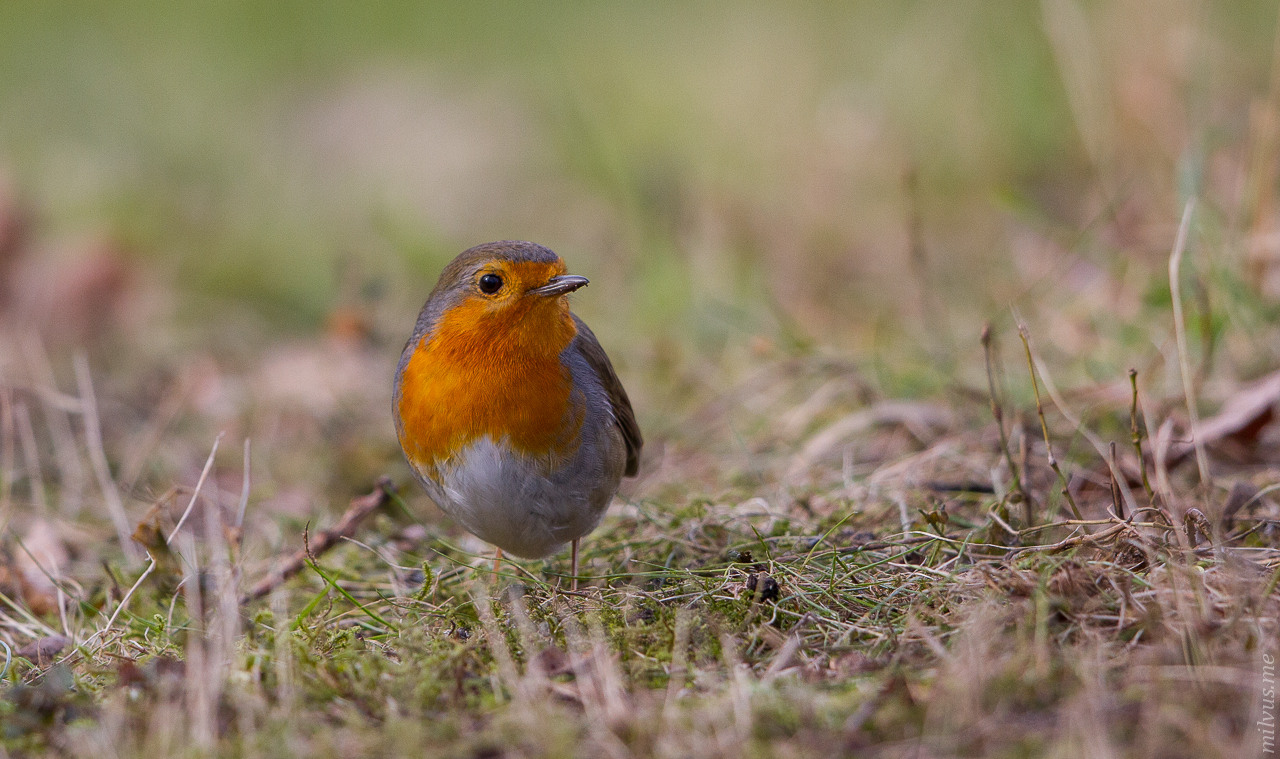
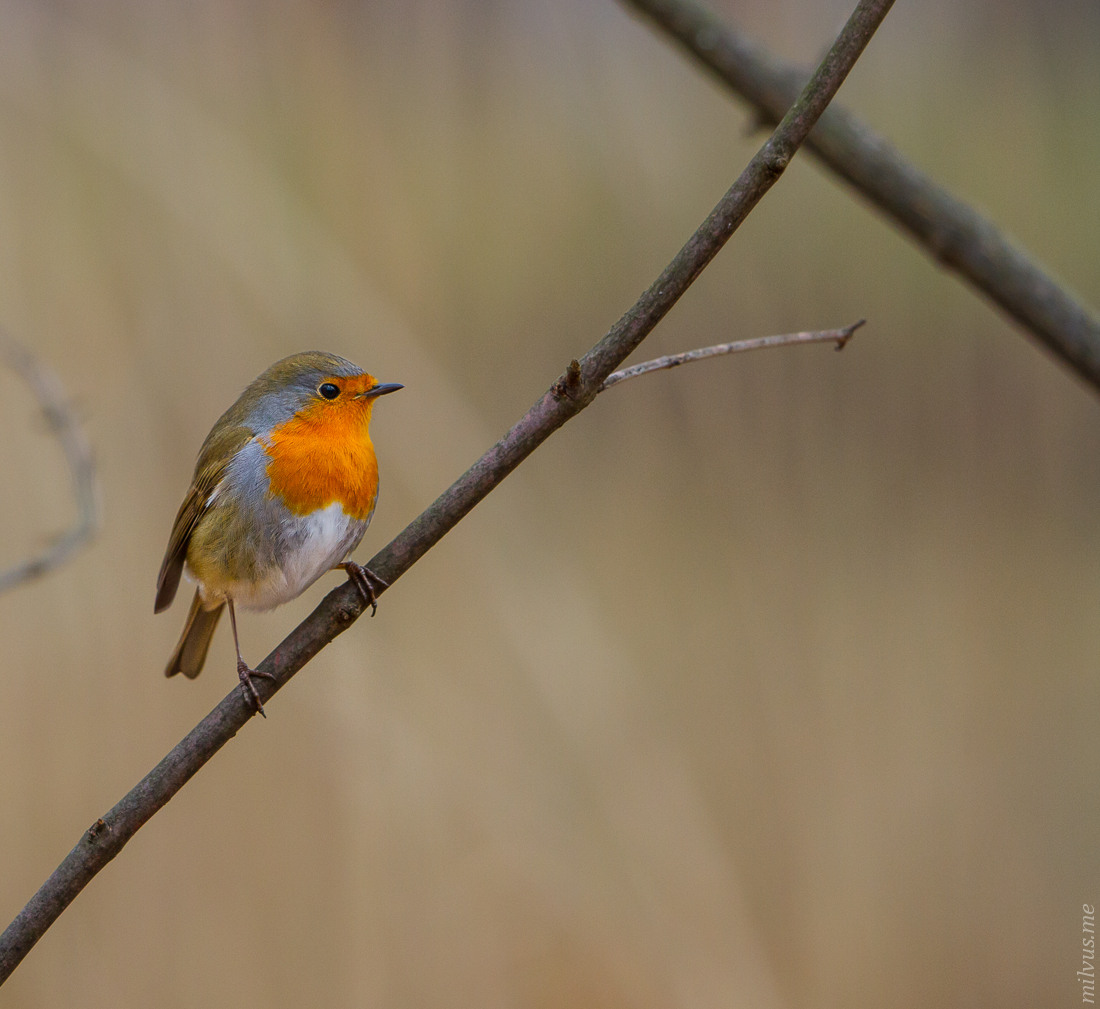
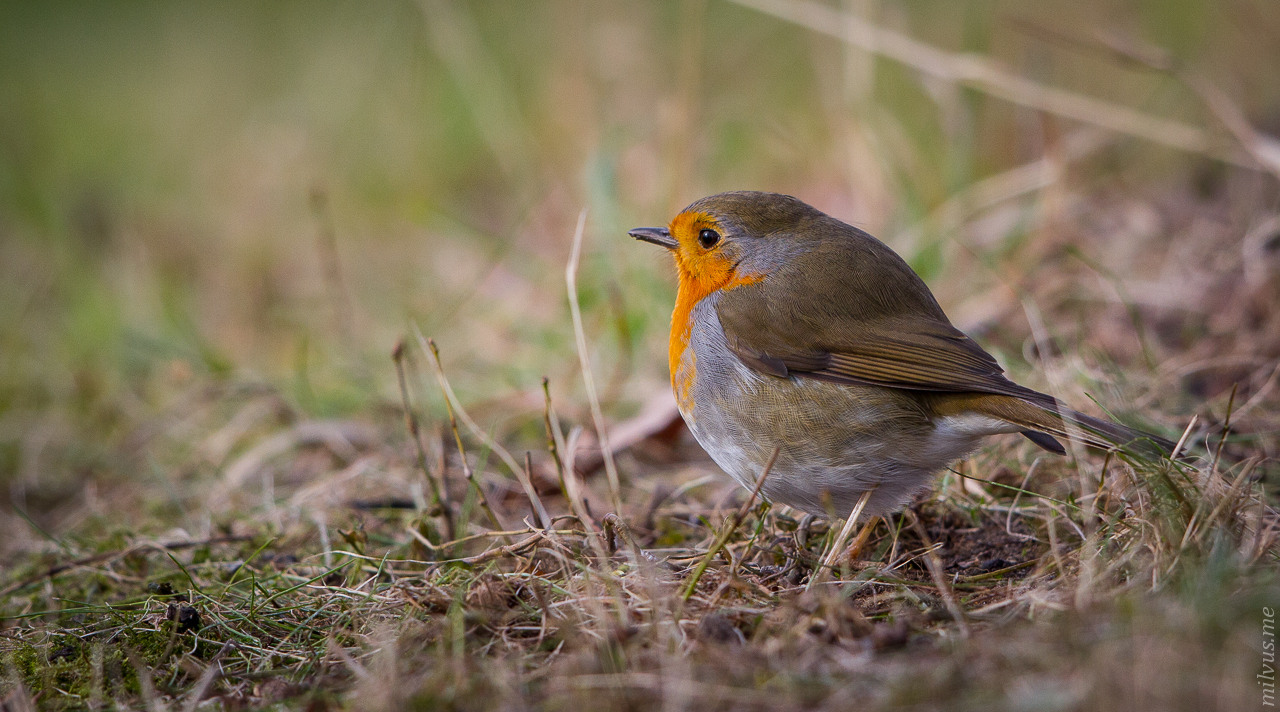
European robin, or just “robin” (Erithacus rubecula). This one was enjoying some sun in the Schlosspark Charlottenburg. It feeds mostly on insects. They played a big role in the discovery of the Magnetoreception. I quote from wikipedia:
The avian magnetic compass of the robin has been extensively researched and uses Vision-Based Magnetoreception, in which the robin’s ability to sense the magnetic field of the earth for navigation is affected by the light entering the bird’s eye. The physical mechanism of the robin’s magnetic sense is not fully understood, but may involve quantum entanglement of electron spins.
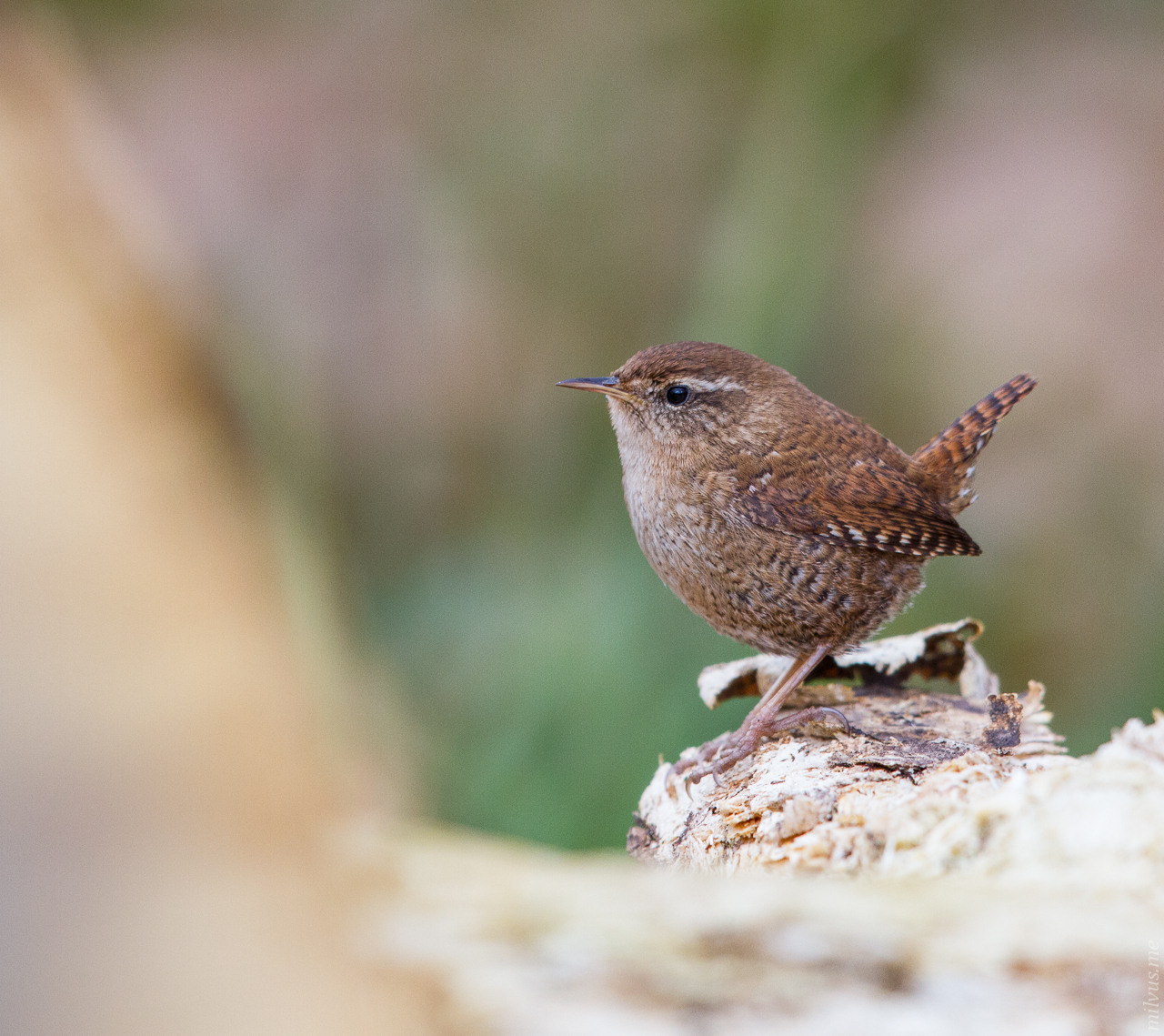
Today in the big Schlosspark Charlottenburg. Just laying there and waiting for birds to come by. This Eurasian wren is only 7cm in size. What a small bird!